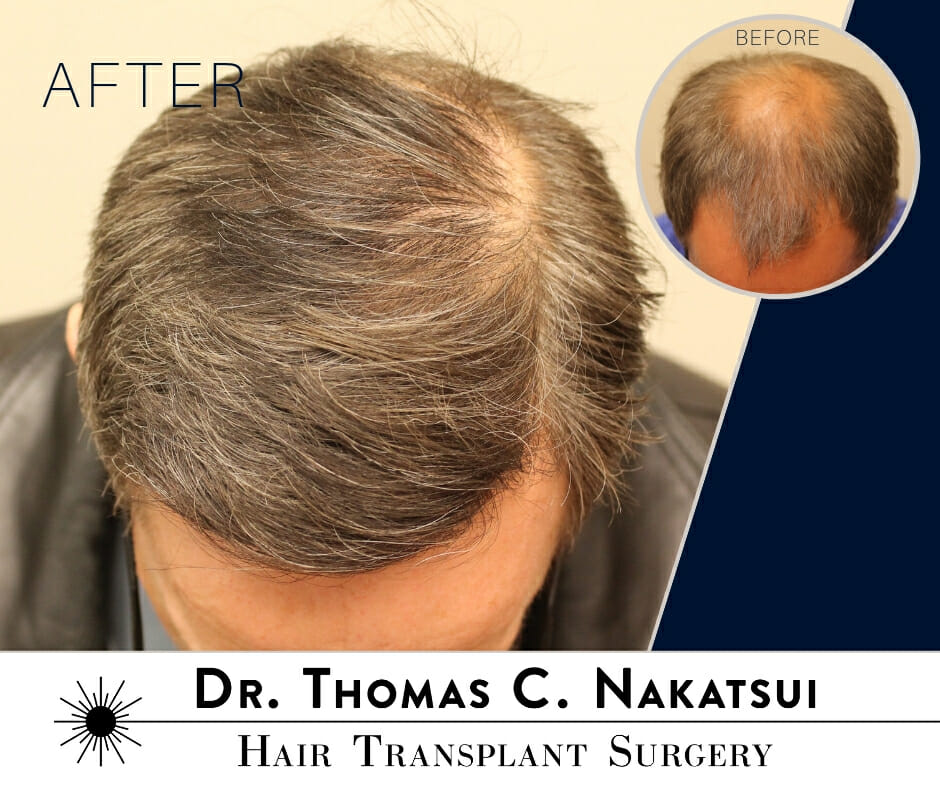
Areas Treated: Hairline, mid scalp, and vertex (crown)
Number of procedures: 2
Type of surgery: Strip (FUT)
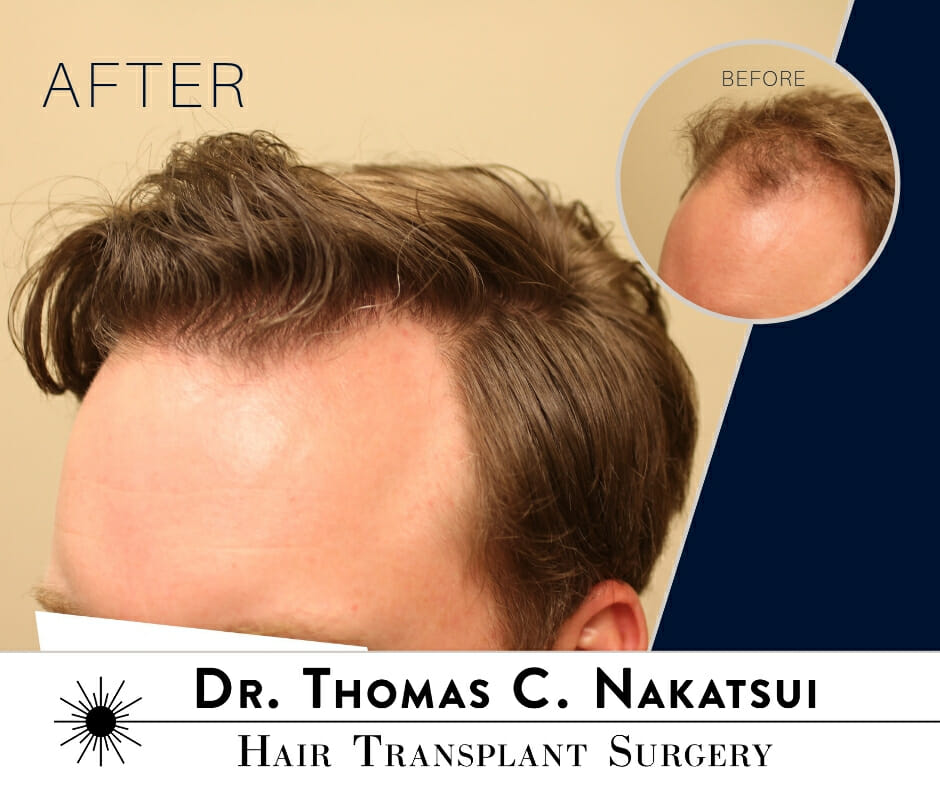
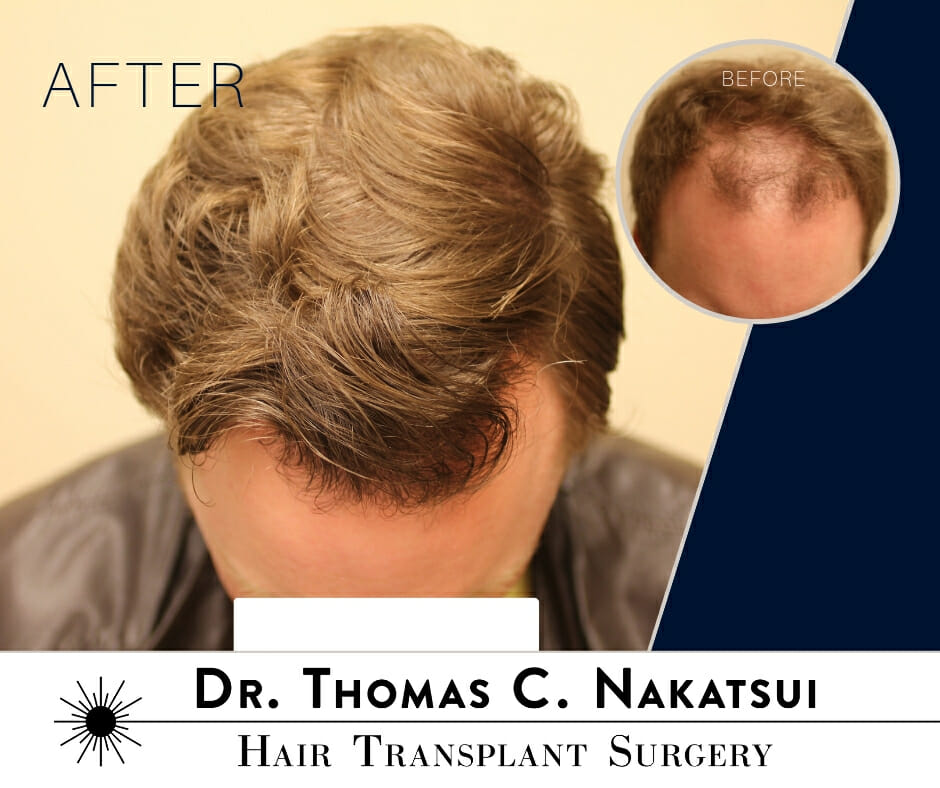
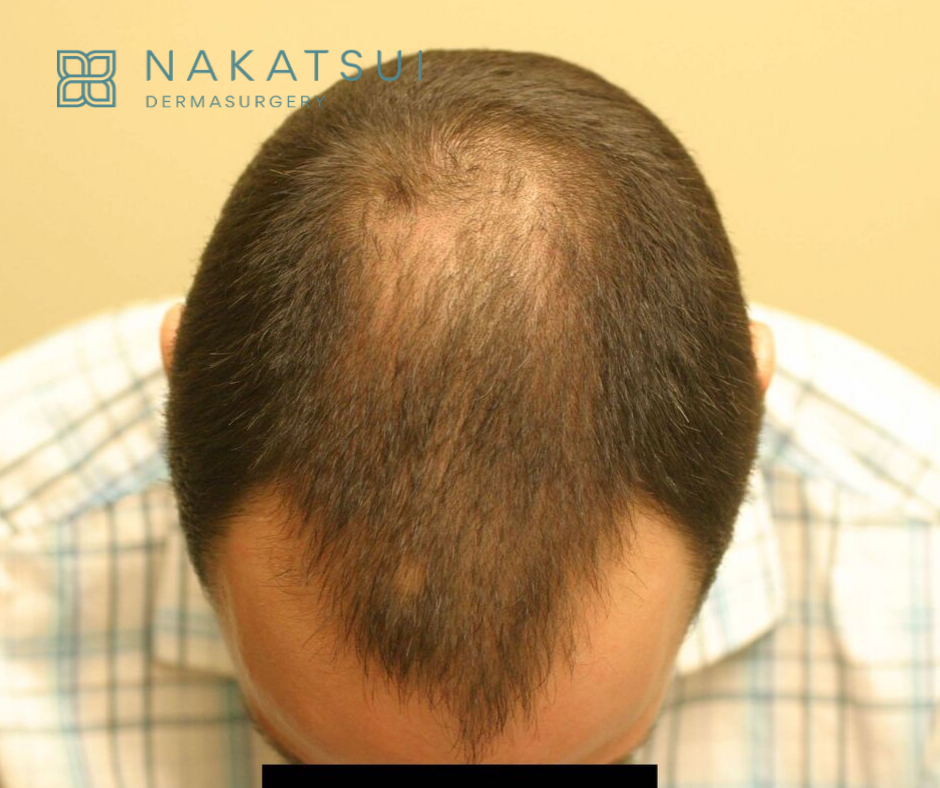
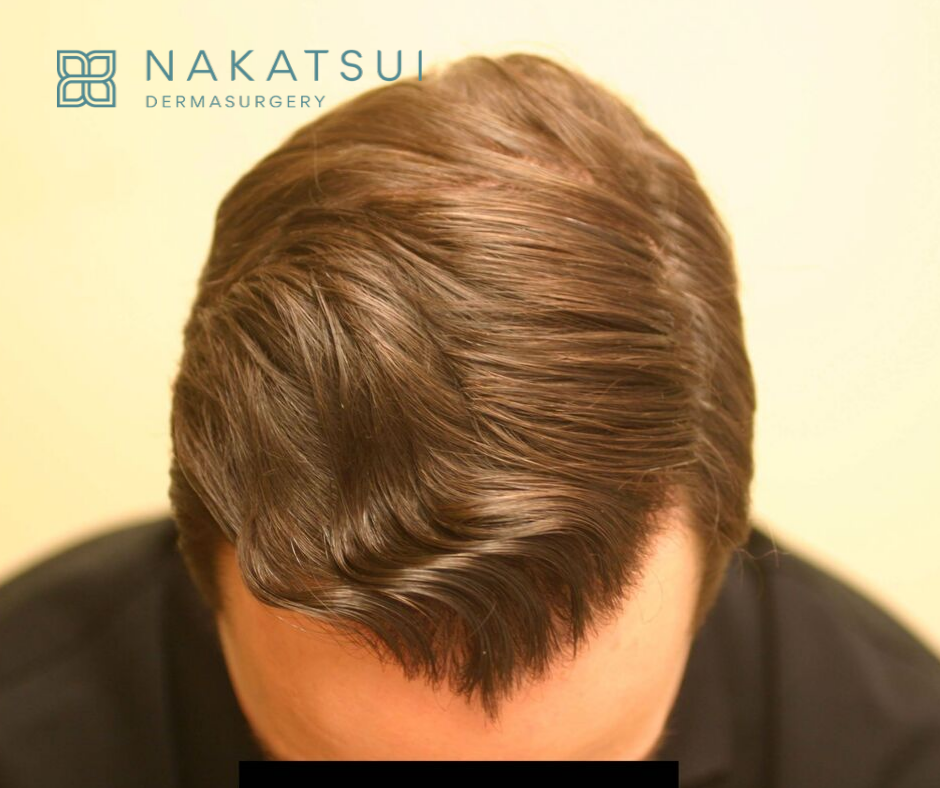
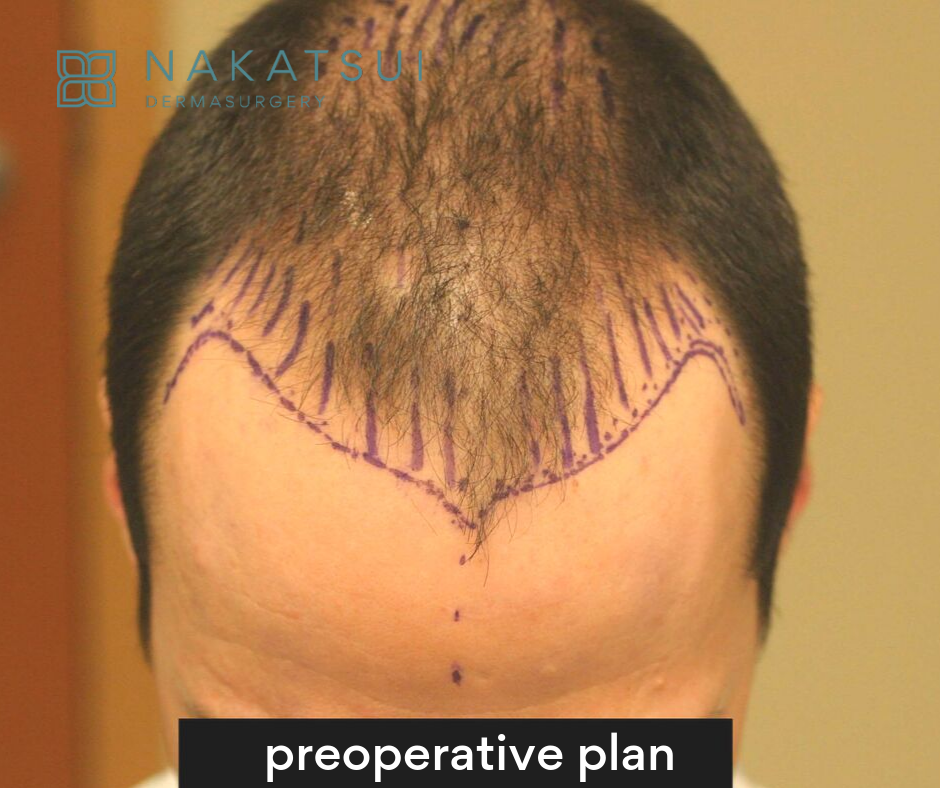
This friendly patient experienced slow gradual thinning to throughout his scalp. The angles in which the grafts are transplanted is incredibly important for the end result. The frontal aspect of the scalp will have a different angle than the vertex. All of these angles and directions need to be followed in order to achieve a natural end result.
At the very front of the hair line, only singles are used. Immediately behind those singles, only double grafts will be used. This provides a natural appearance. If grafts larger than 2 hairs are used at the very front of the hair line, it will be easily detected that was something done. Even in close up photos, the end result are undetectable. For more of Dr. Nakatsui’s before and after photos, please click here.
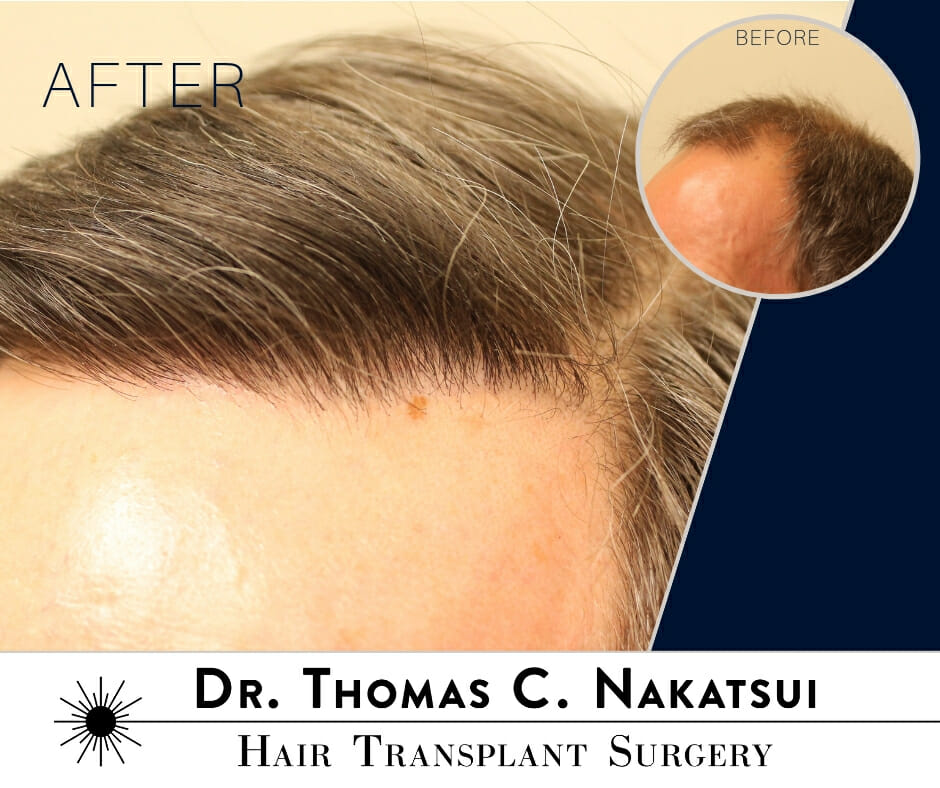
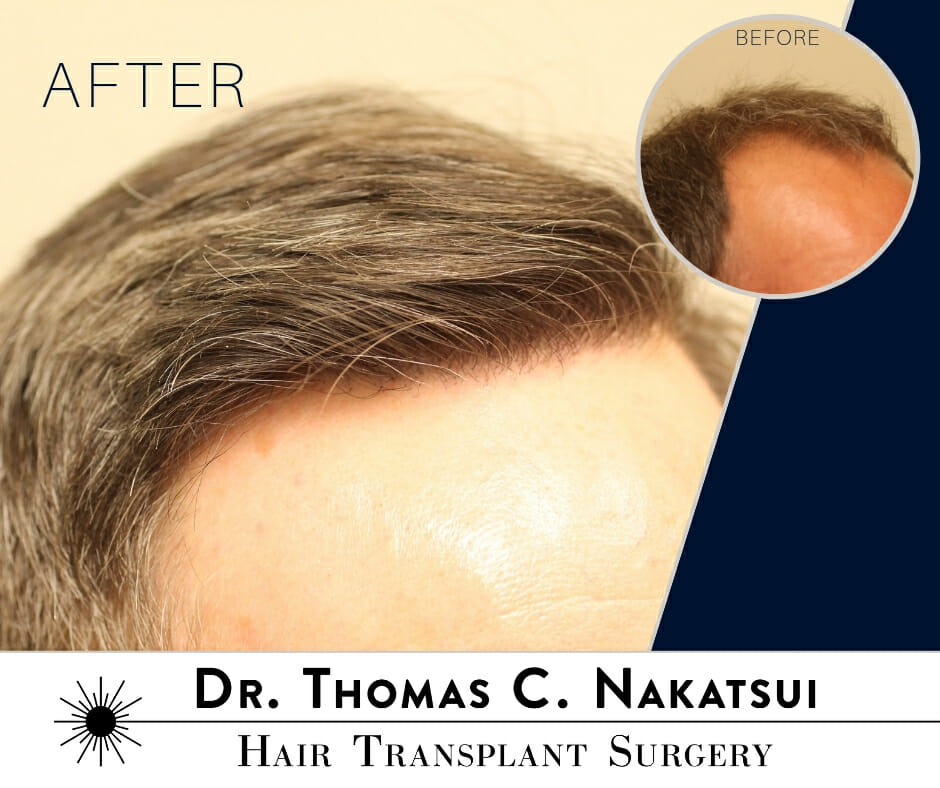
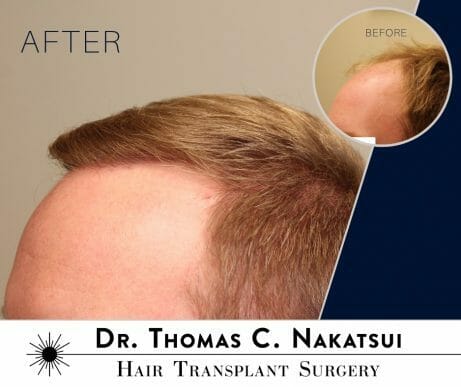
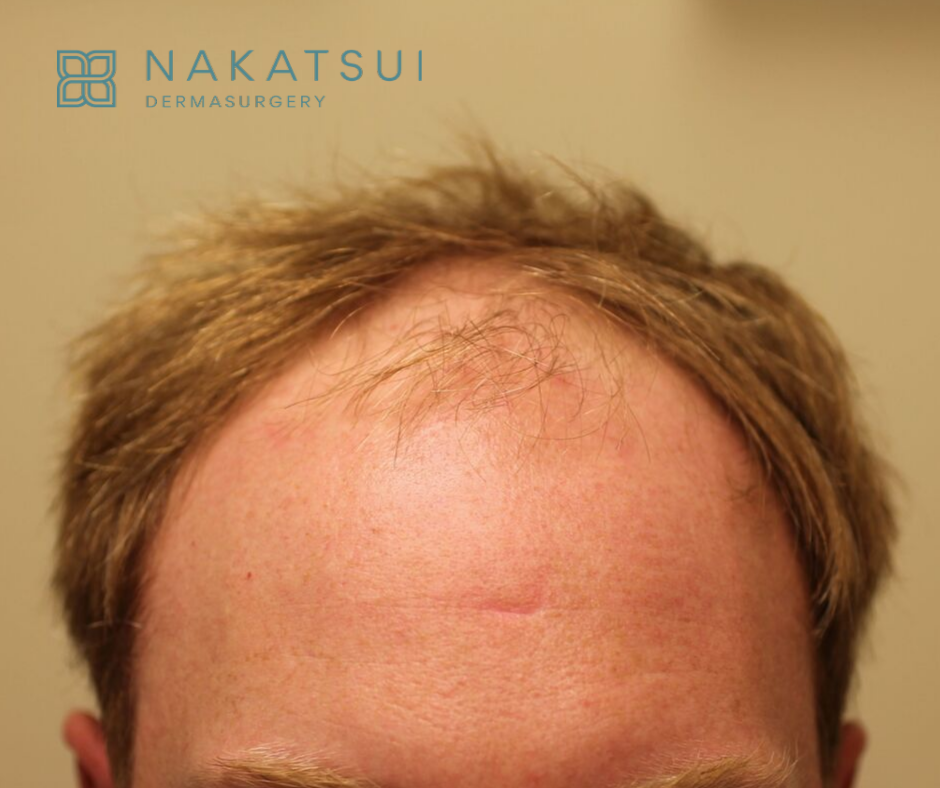
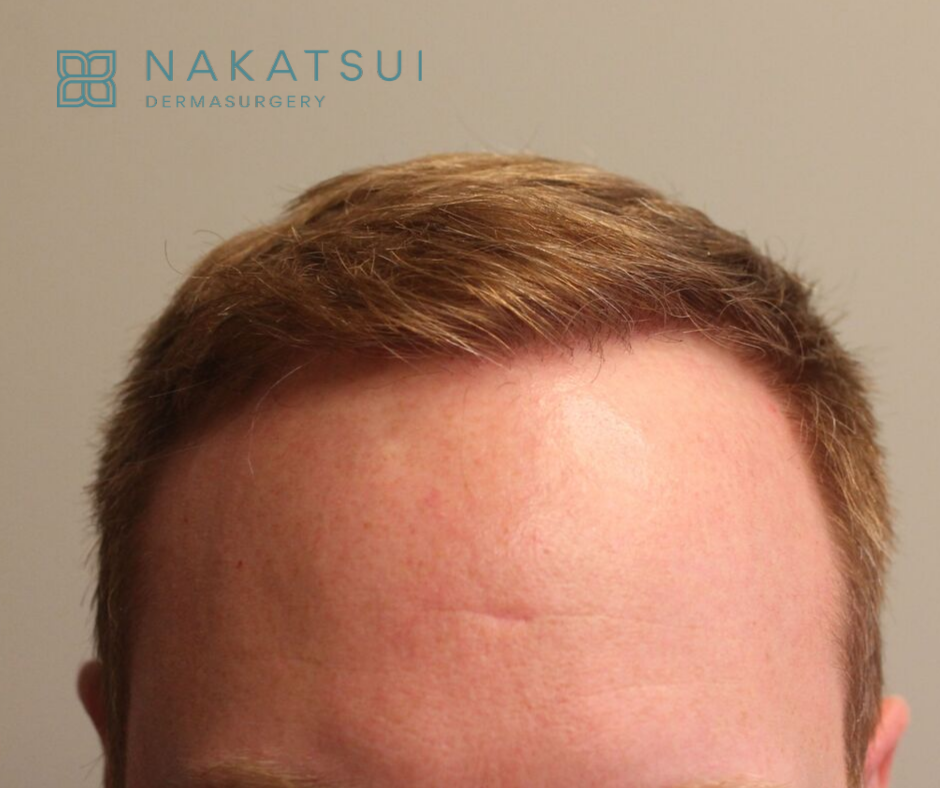
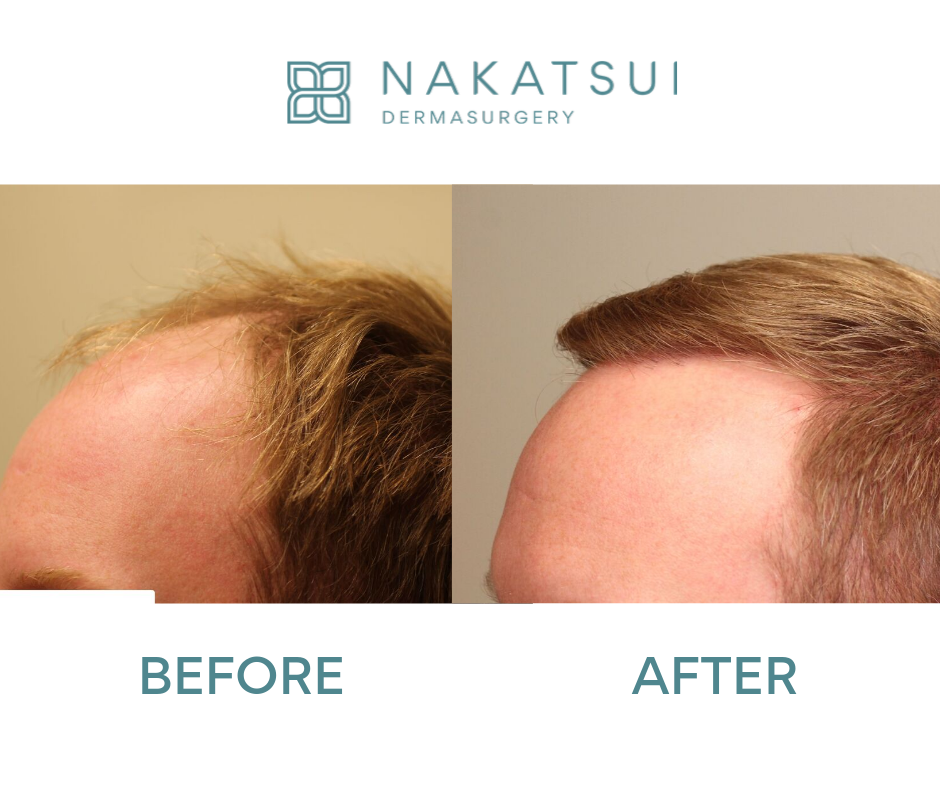
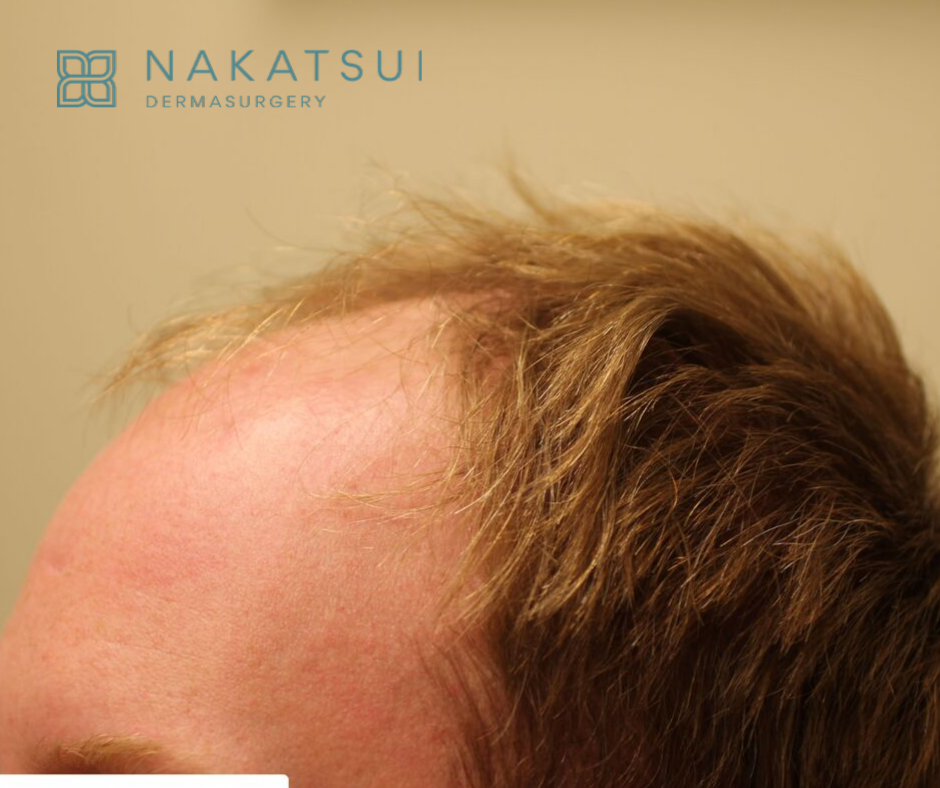
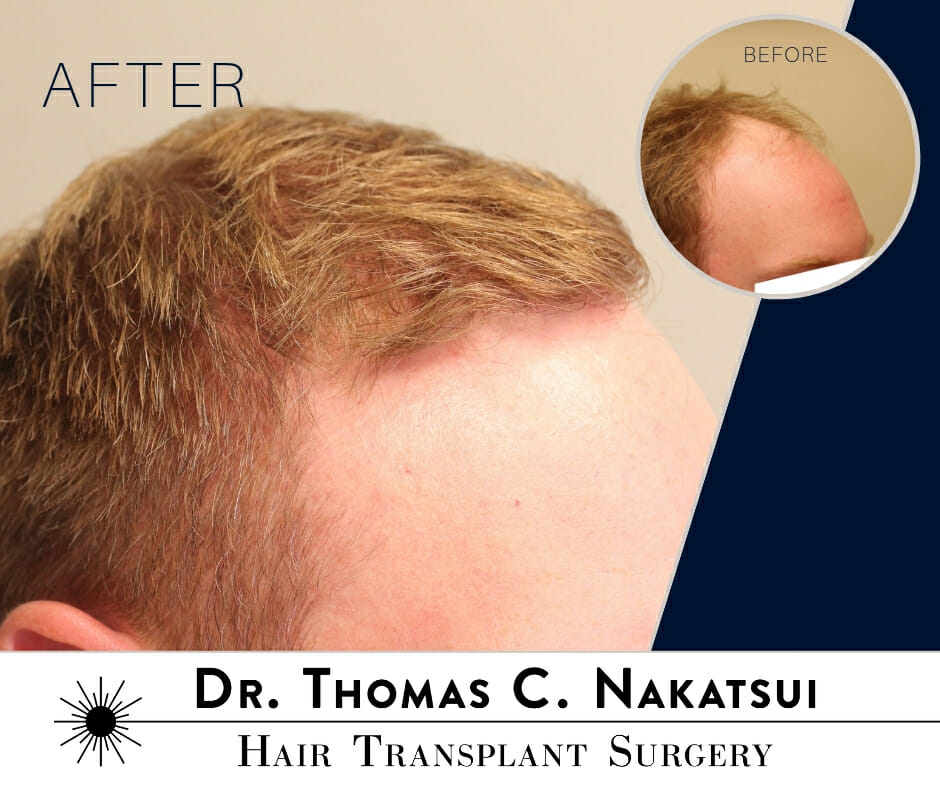
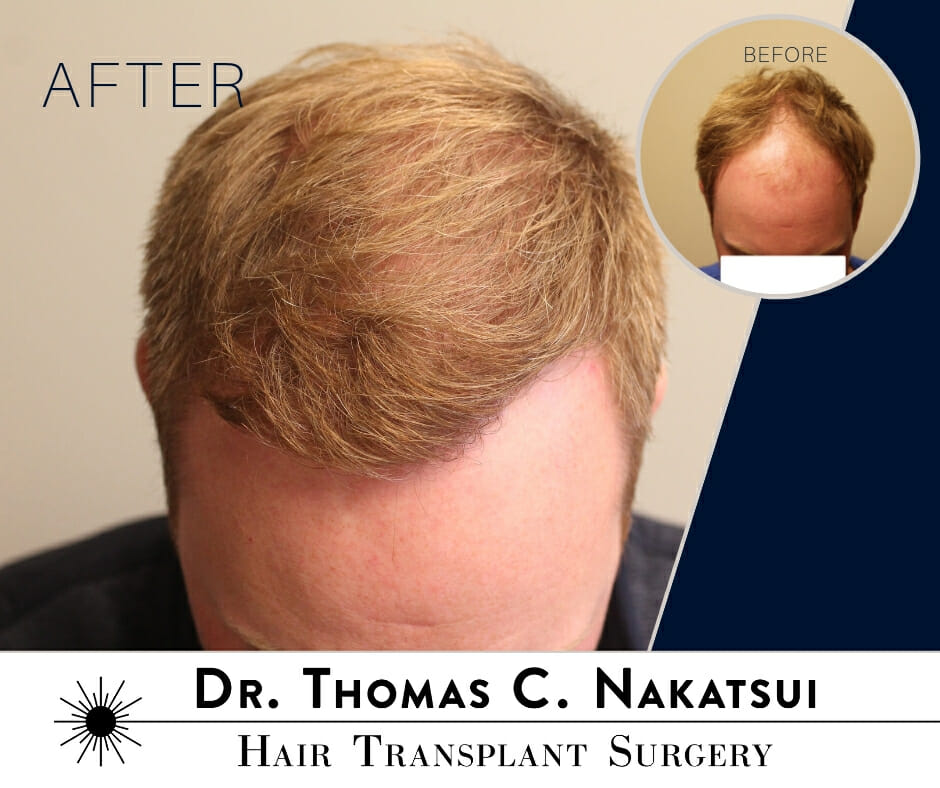
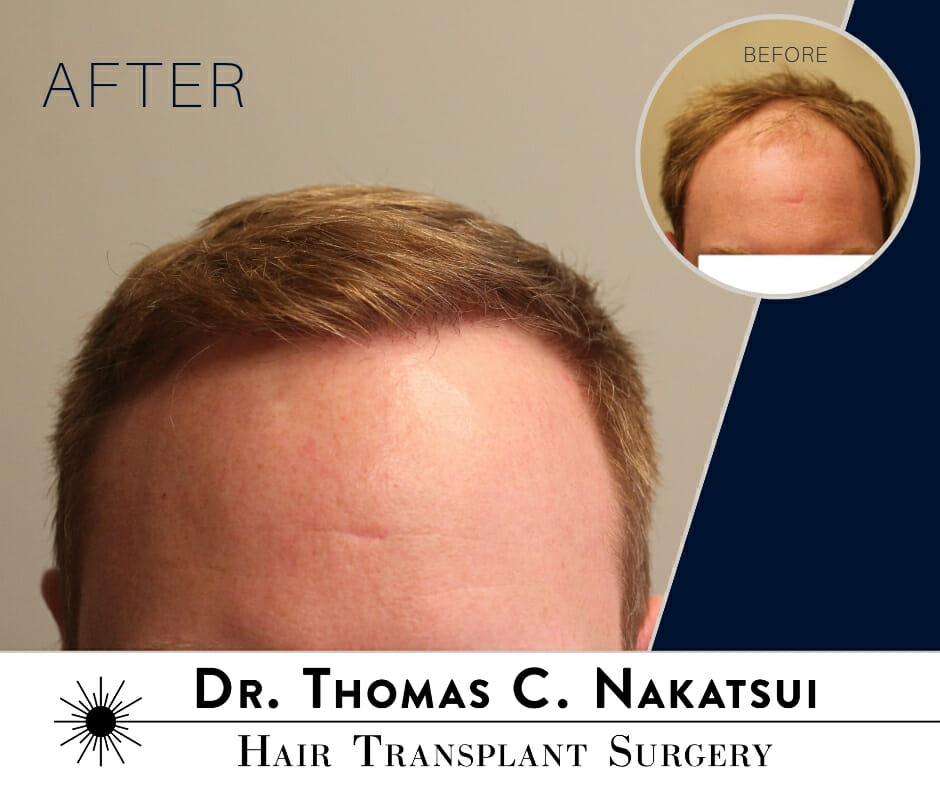
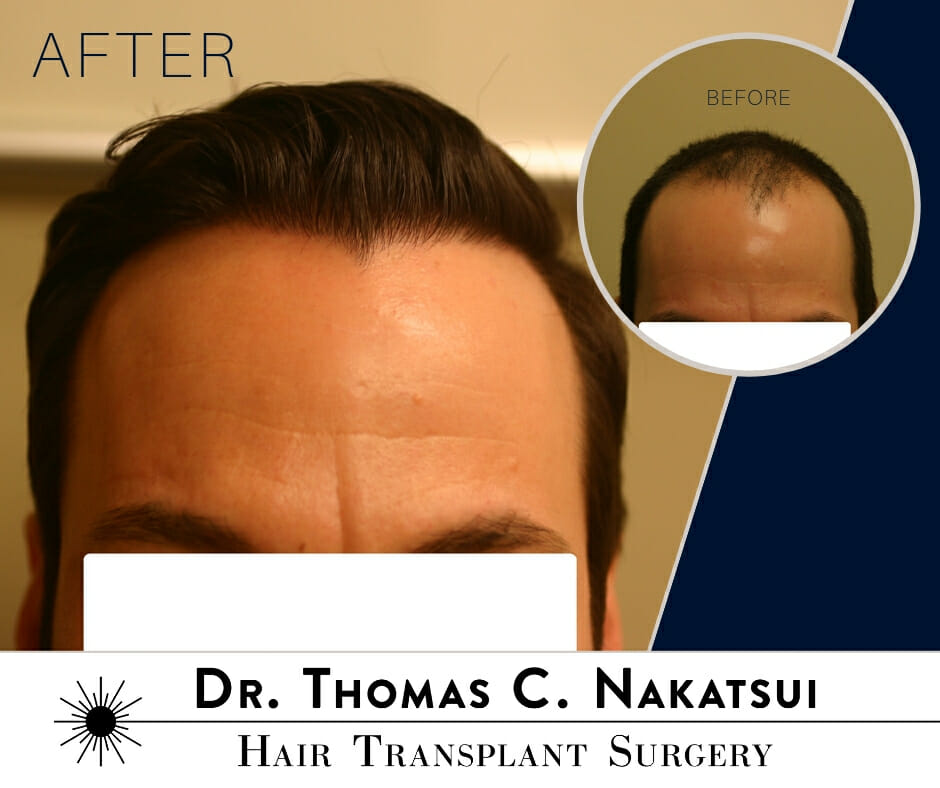
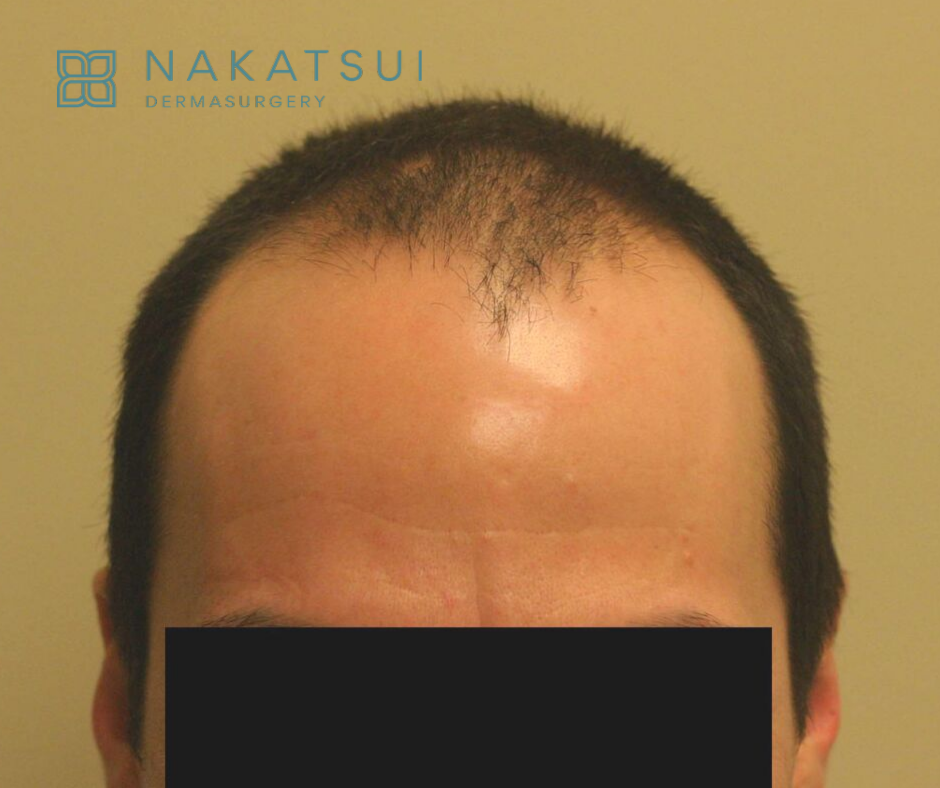
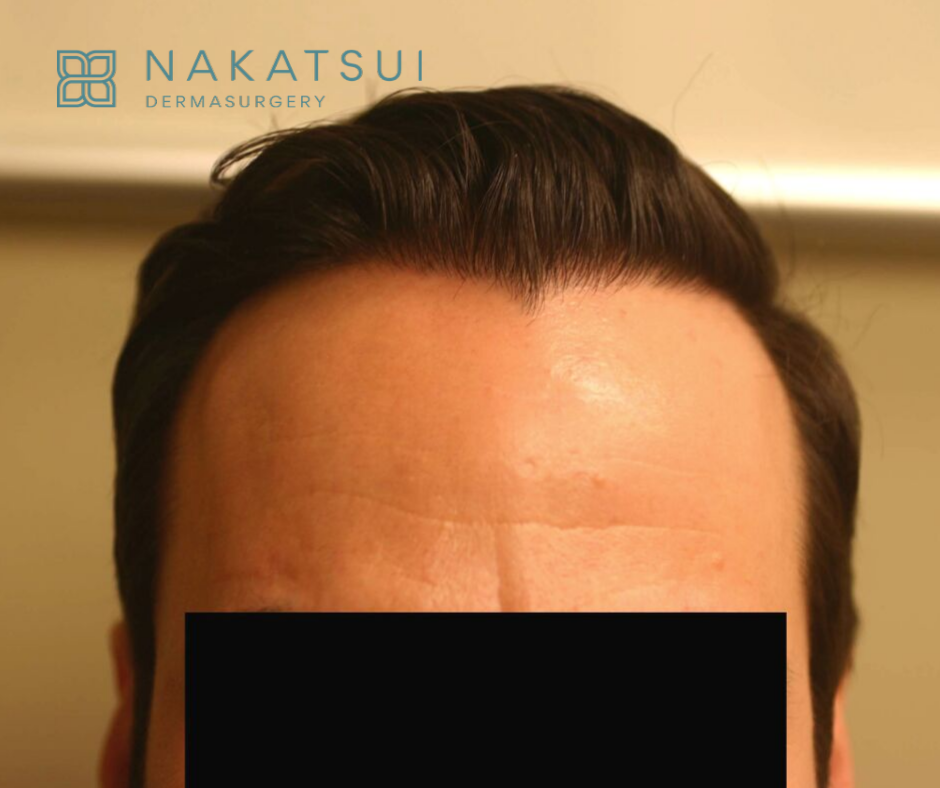
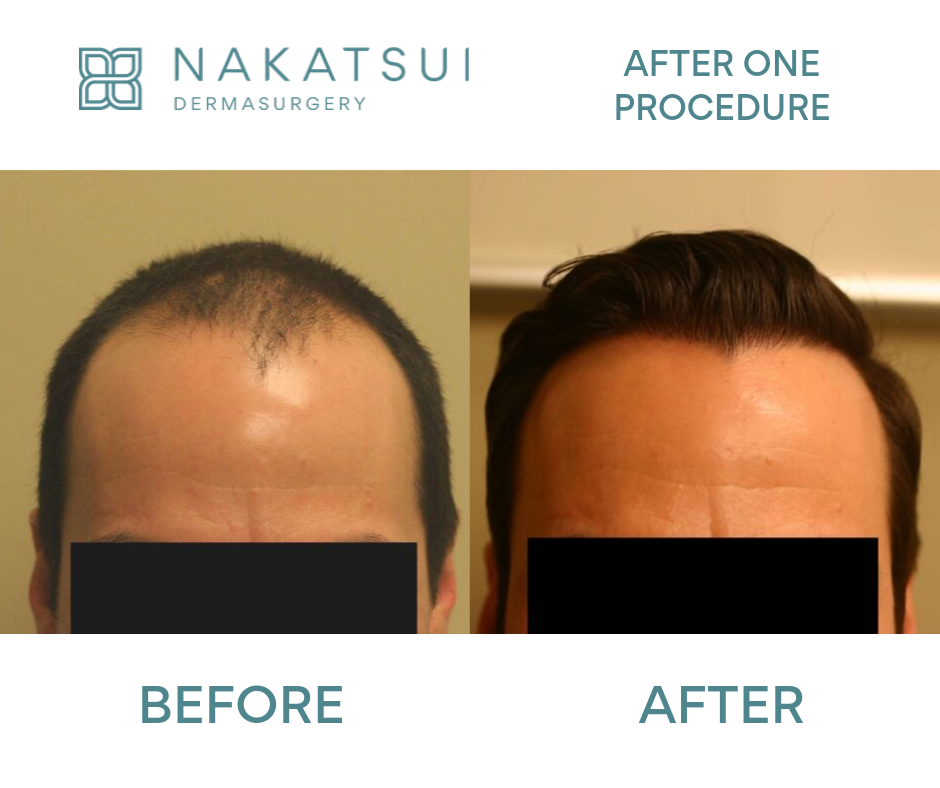
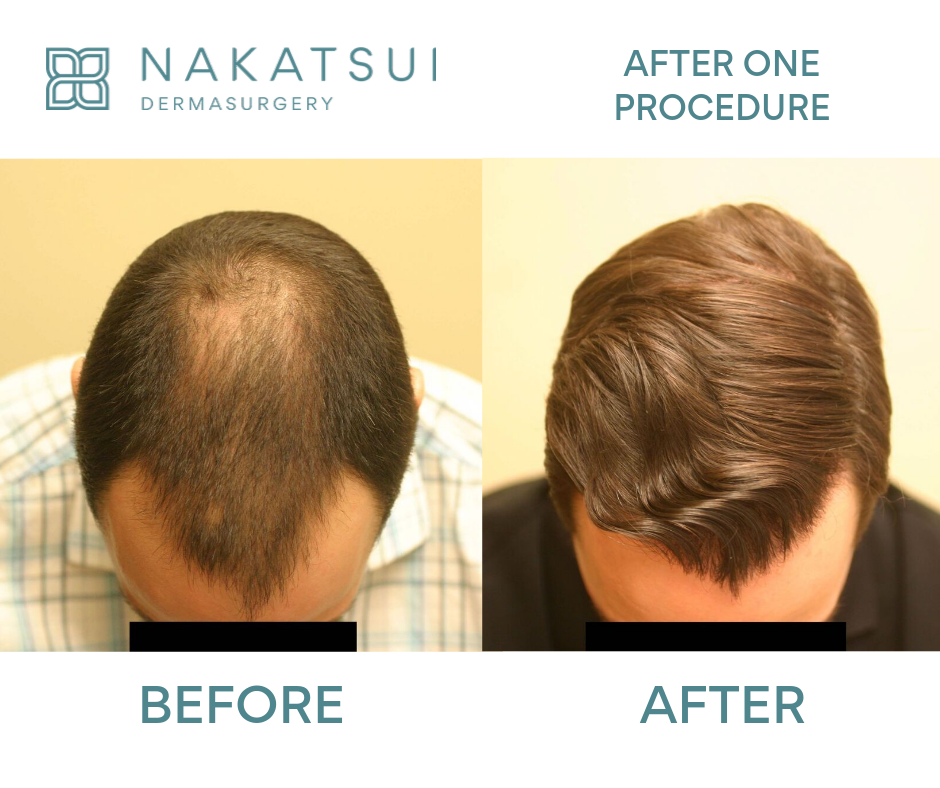
This patient experienced recession to the frontal aspect of his scalp. As with any hair transplant surgery, angle and direction of transplanted hairs is of utmost importance. Dr. Nakatsui transplanted approximately 2,400 grafts and followed the patients specific hair directions throughout the frontal region. In the photos seen from the various angles, care and precision were important in order to produce a natural looking result.
For more before and after results, please click here.
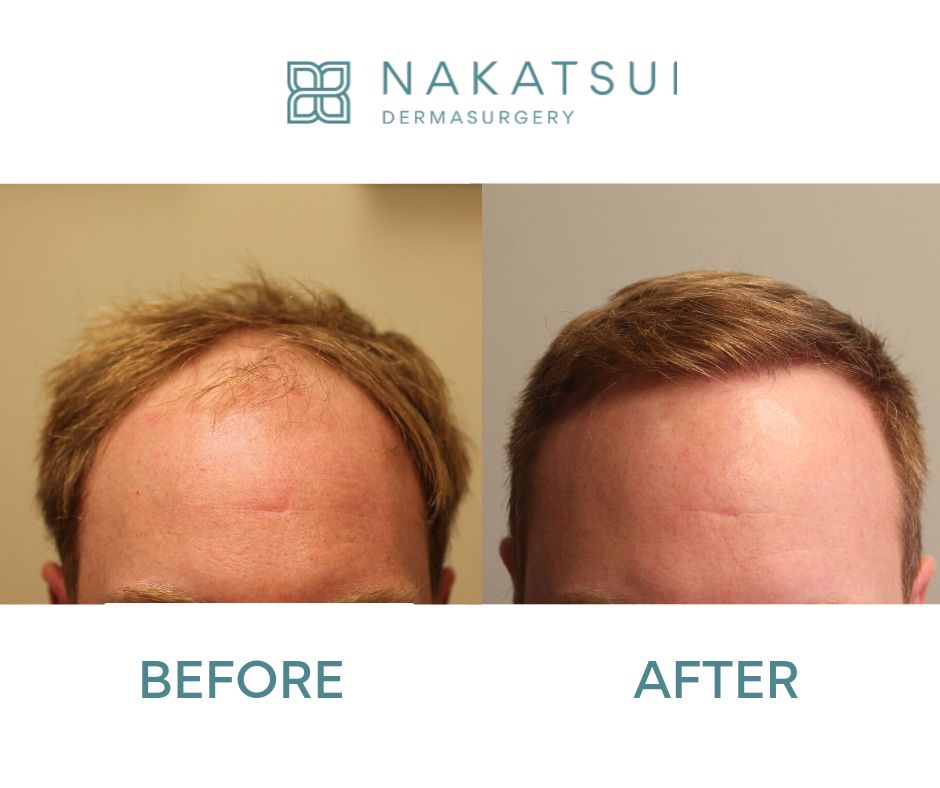
Number of Grafts: 2,200 Areas Treated: Frontal Region Number of Procedures: 1 Type of surgery: Strip (FUT)
This pleasant patient of ours came into our clinic with recession to the front region of his scalp. We discussed the various treatment options and the patient proceeded with a hair transplant surgery. A total of 2,200 grafts were transplanted into his frontal region for the end result.
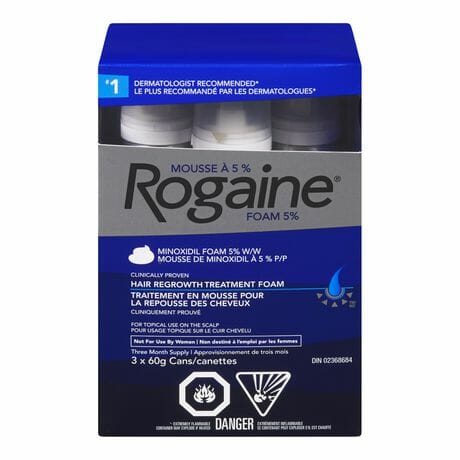
As with any young patient with significant pre-existing hair, we always caution the risks of potential future hair loss to non-transplanted hairs. We recommended that should he proceed with a hair transplant procedure, utilising a medical treatment in addition to the surgery will greatly benefit him in the long run. Dr. Nakatsui recommended both Propecia and Rogaine 5% Foam.
This patient was kind enough to provide kind words on our Google review page and we greatly appreciate the kind words and we thank you for being a great patient!
For additional before and after results, please click here.
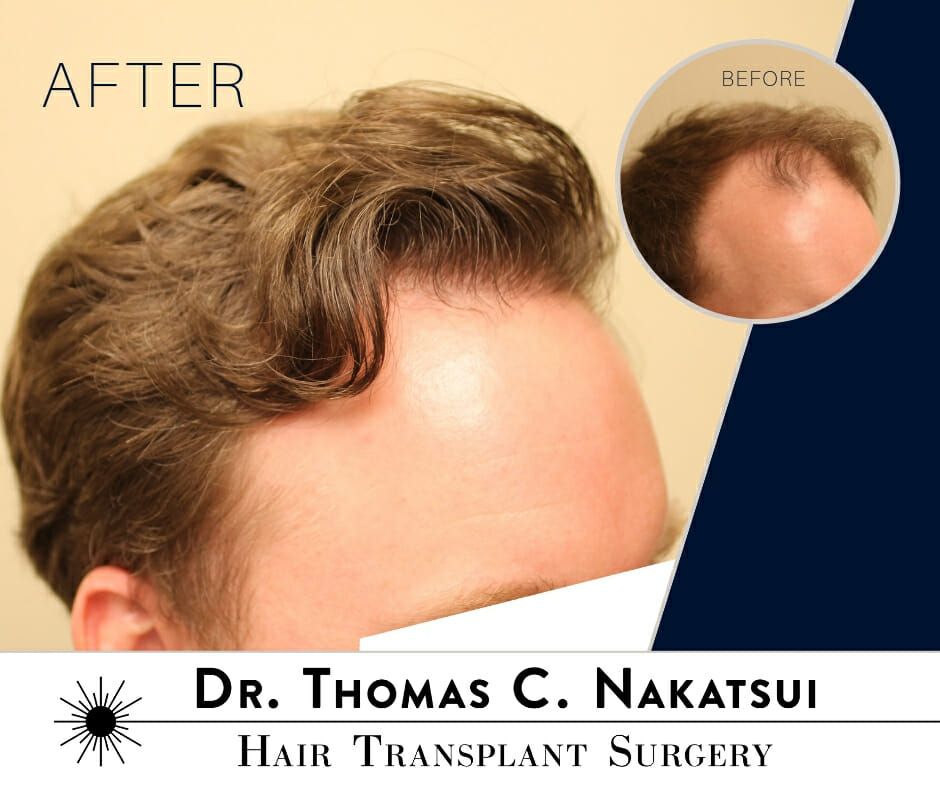
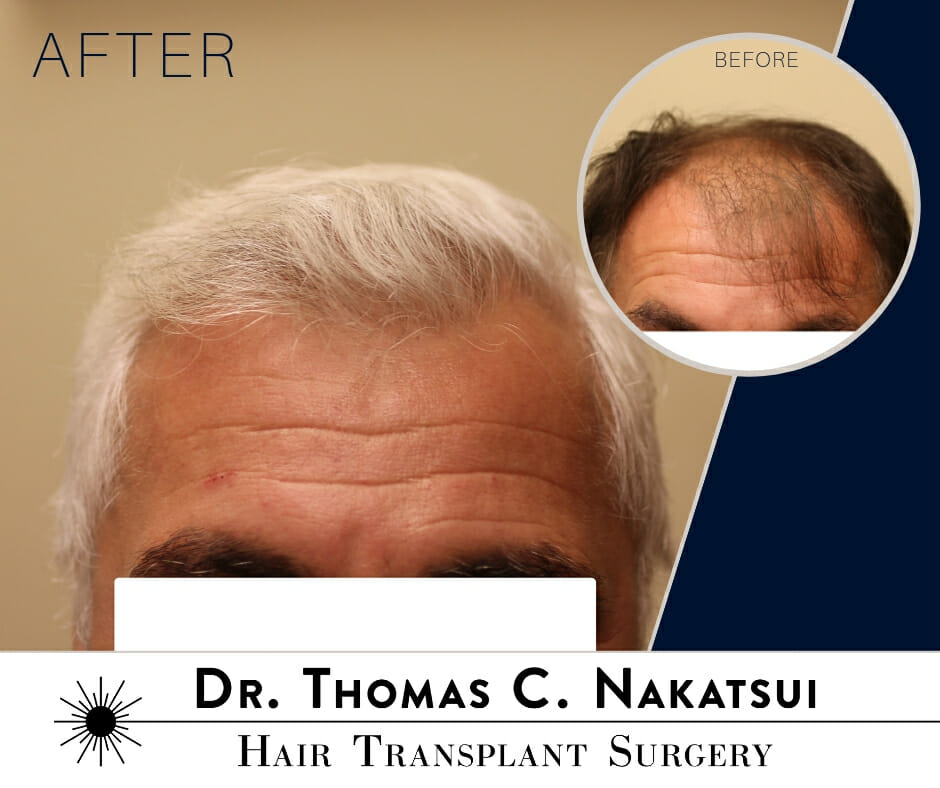
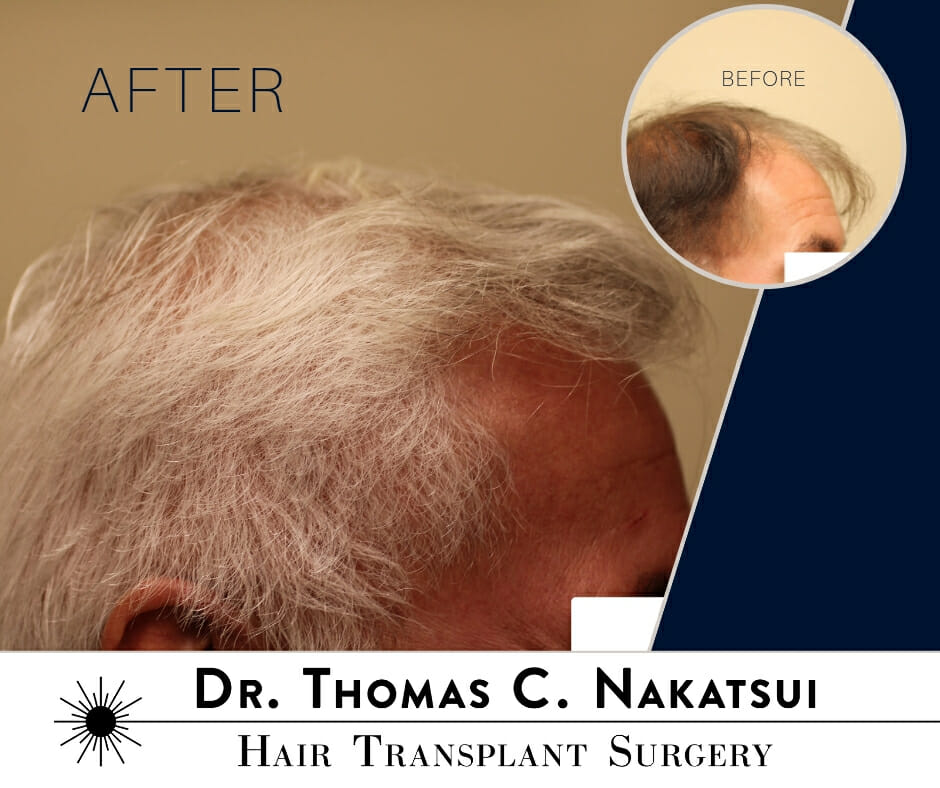
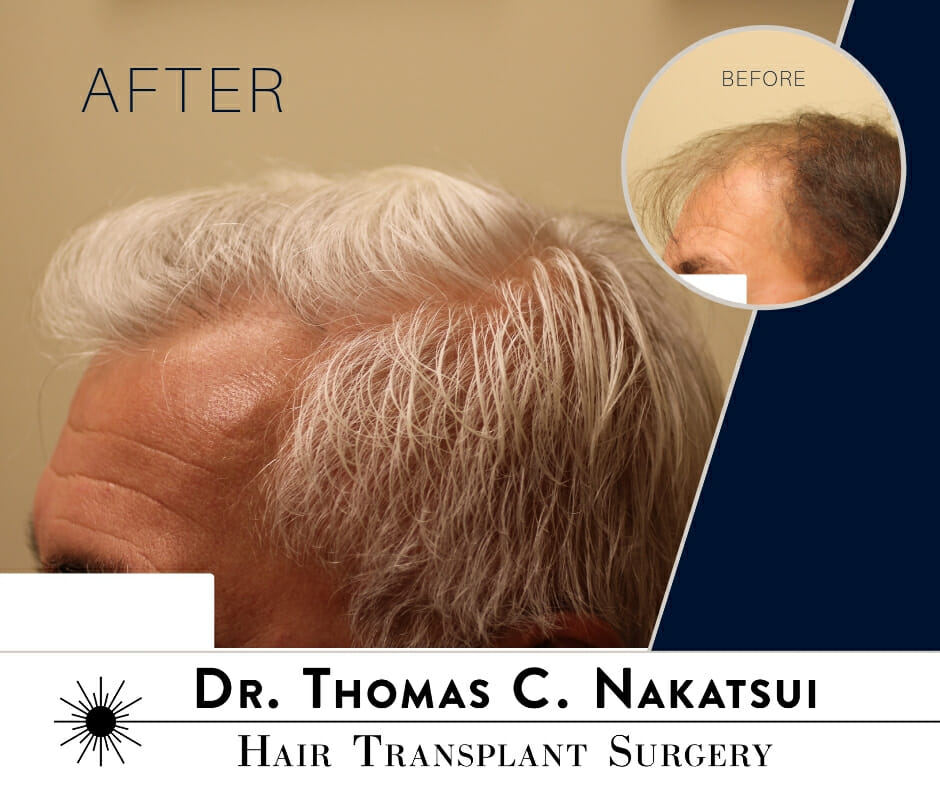
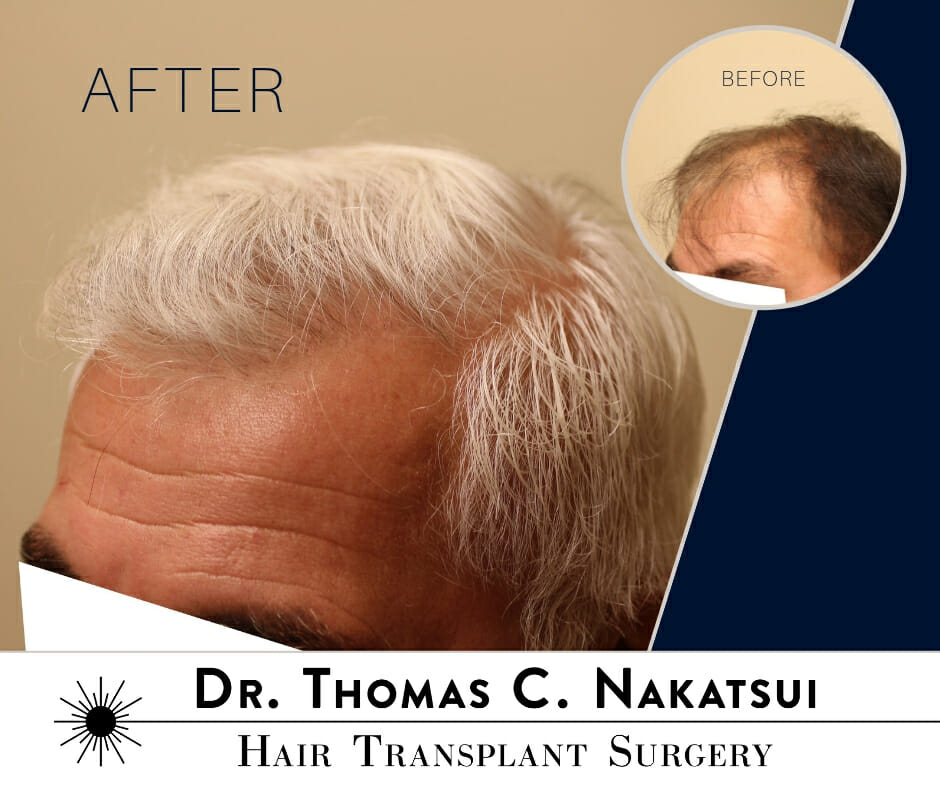
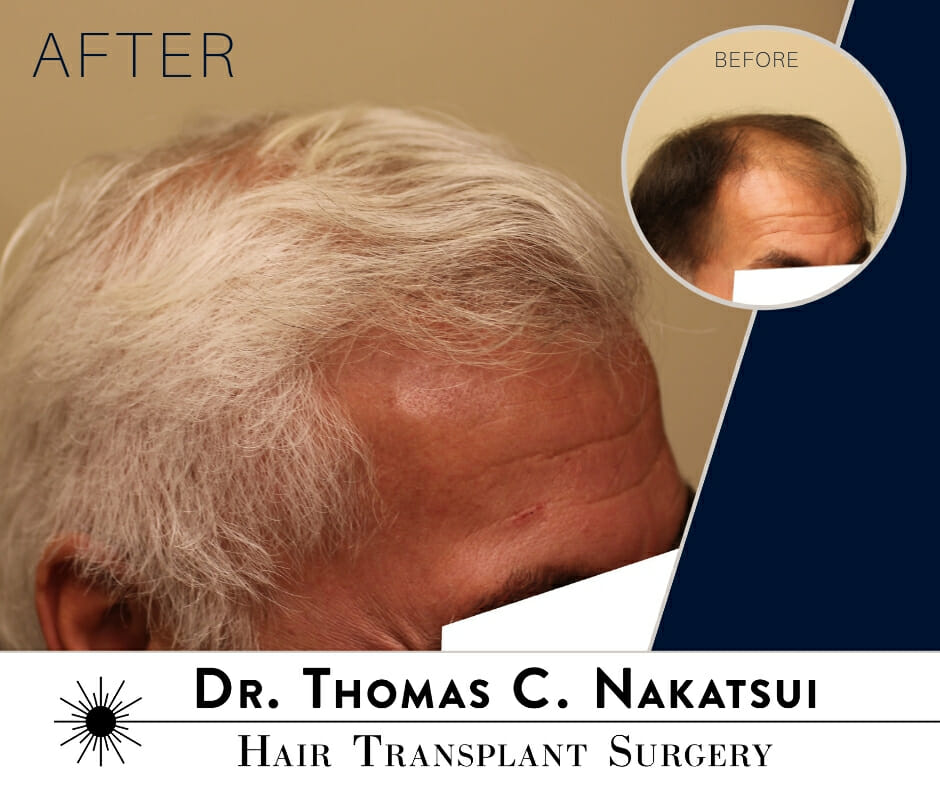
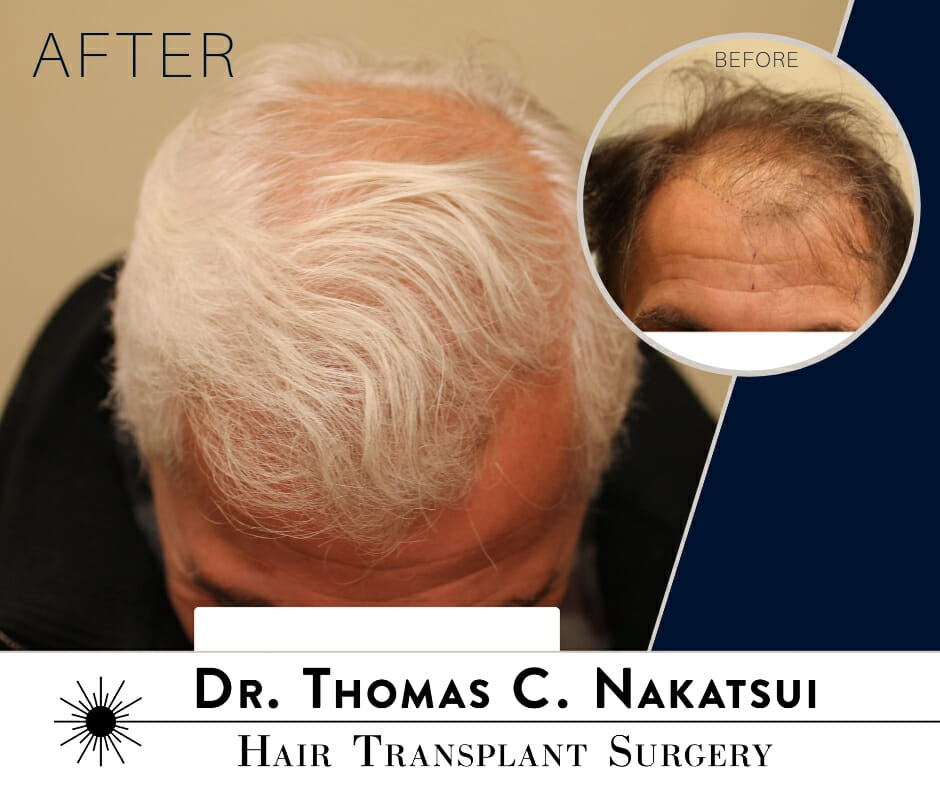
This is a patient who came in and was concerned about the progressive thinning of his hair. We decided to fill in the frontal scalp as it was this area that concerned him. He received 596 single grafts, 1440 double grafts, and 536 big grafts, for a total count of 2572 grafts. He is ecstatic about his results so far and his post op photos are about 11 months out. The anticipation is that the hair will become slightly thicker over the course of a few months from when these photos were taken.
FYI, the patient’s preoperative photos show that his hair is dyed brown. We had asked him to do this so we could make the recipient sites without damaging his pre-existing, very, very white hair.
For additional before and after photos, please click here.
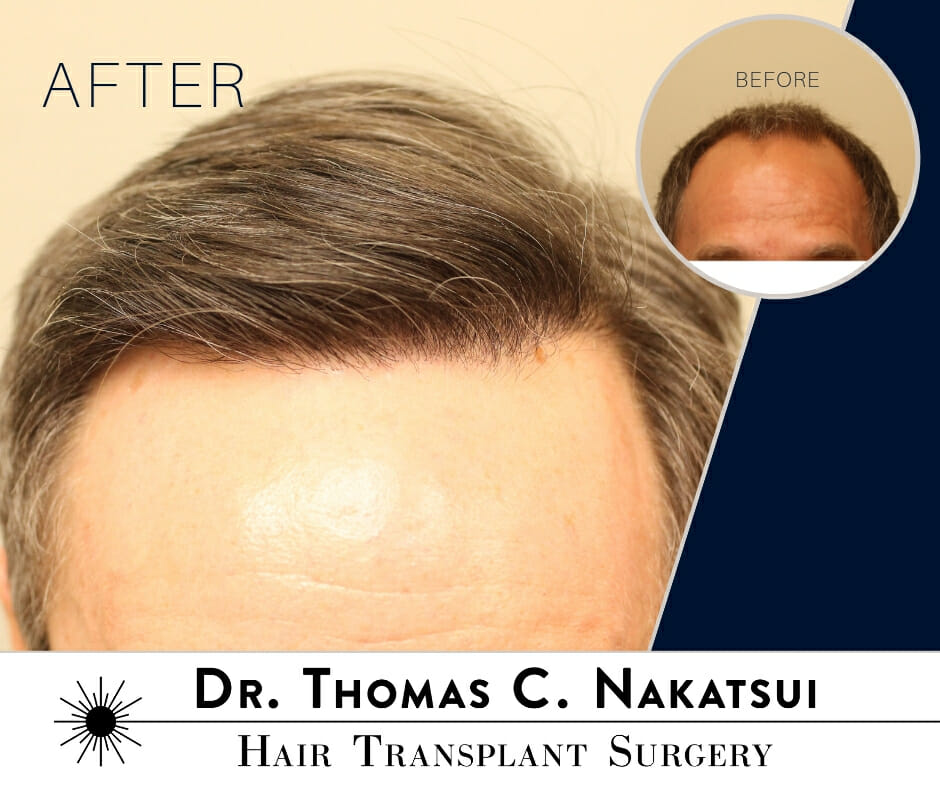
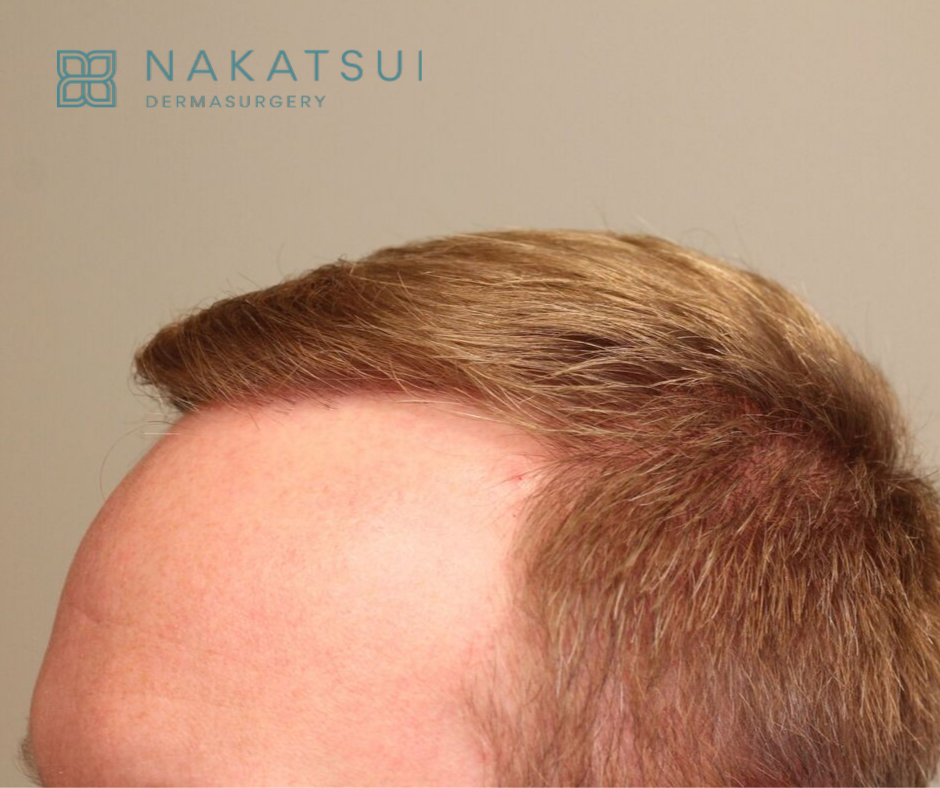
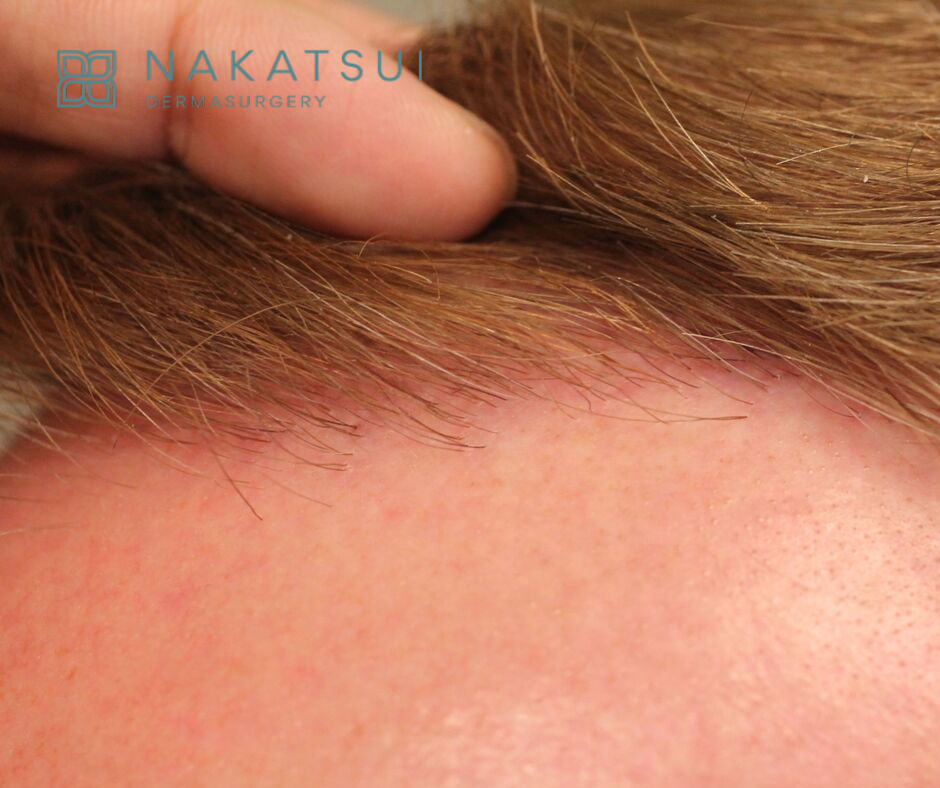
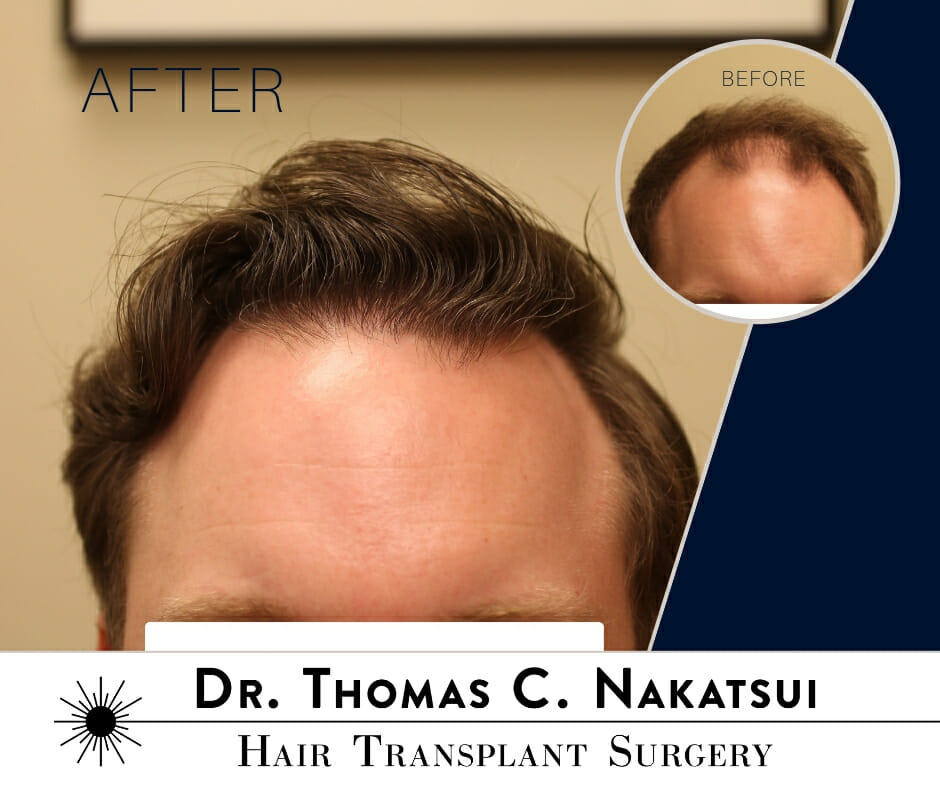
This gentleman came in with progressing hair loss all throughout his scalp. The hairline, temples, mid portion, and vertex thinned out significantly. Dr. Nakatsui transplanted just under 5,000 grafts in one surgery. What was interesting about this patient’s case was that his widows peak is slightly off centre. A few singles were transplanted into the section. The end result is completely undetectable and incredibly natural looking.
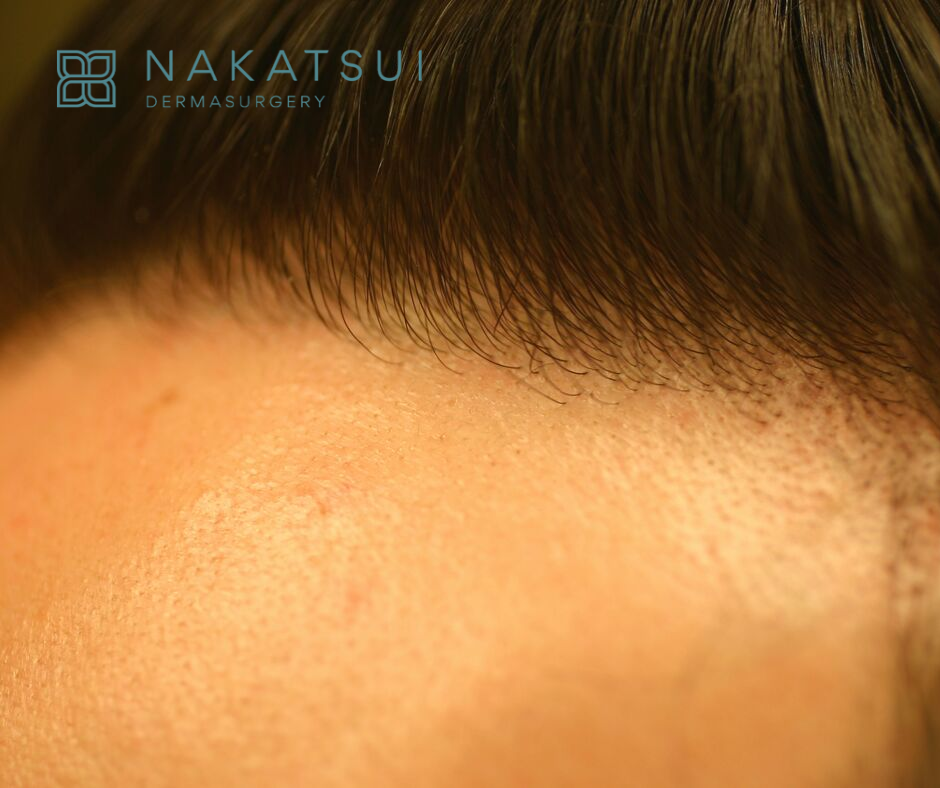
The image of the close up of the hairline shows a completely natural appearance. There are no detectable grafts and one of the most important features is that the hairline itself is not a laser beam line. Rather, the hair line is irregular, very similar to that of a natural hairline.
For more of Dr. Thomas Nakatsui’s results please click here.
Dr. Nakatsui was recently at the 2018 International Society of Hair Restoration Surgery annual meeting in Los Angeles. He sat down with his mentor, Dr. Jerry Wong–one of the most well known hair transplant surgeons in the world. He developed the lateral slit technique and continues to make new innovations in the field of hair restoration surgery. Watch for updates as we introduce some of them soon.
Finasteride (Propecia) is a medication that has been used for years for the management of male pattern hair loss. It is a 5-alpha reductase inhibitor, which decreases levels of dihydrotestosterone (DHT). The pivotal studies showed significant benefit for men with respect to slowing down hair loss. In addition, a meta-analysis (an analysis of multiple studies on the same subject) by Gupta and Charrette showed that 5-alpha reductase inhibitors are significantly more effective than placebo in increasing hair counts.
2. It does have sexual side effects but it is not high risk
A very common question is about the sexual side effects of Propecia. Sexual side effects from finasteride have been well-described and include erectile dysfunction and decreased libido. However, the true risk of adverse sexual side effects remains controversial. Some meta-analyses show an increased risk and some show no increased risk. However, a recent 2018 report published by Lee et al analyzed randomized, double-blind, placebo-controlled trials (the best kind) and found 15 such trials. The data from these studies were analysed together in a meta-analysis. The relative risk was approximately 1.66. In layman’s terms, if 1 out of 100 untreated people were expected to develop sexual side effects, then 1.66 out of 100 treated people would be expected to develop these side effects. This is not a huge increase. A recent study suggests there is no increased risk at all.
3. It only works as long as you take it
I frequently get asked “What happens if I stop taking Propecia?” Unfortunately, the benefits only last as long as finasteride is being taken. Studies show that hair counts drop back to pre-treatment levels within one year of discontinuation of the medication. On the other hand, you can stop it anytime you choose. You don’t have to take the medication any longer than you want to. If you decide six months from now that your hair loss is not an issue anymore, you can stop it completely with no ill effects.
Platelet-rich plasma (otherwise known as PRP) continues to be investigated as a treatment option for various types of hair loss. It makes intuitive sense that growth factors found in PRP would be beneficial for hair growth but results from PRP studies with respect to hair loss continue to be highly variable and it is unclear why this is the case. One possible reason is that administration regimens differ from study to study. Another possible reason is that different systems concentrate platelets to different degrees.
PRP concentration study
One small study published in the Hair Transplant Forum International in 2018 by Rose et al looked at four different systems: the Selphyl ® system, the Eclipse PRP ® system, the Arthrex ACP ® Double Syringe system, as well as generic yellow top blood collection tubes.
What did the results show?
The investigators looked at platelet counts in whole blood and platelet counts after being processed by the PRP systems. On average, the Selphyl system concentrated platelets 1.16 times, the Eclipse system concentrated platelets 3.23 times, the Arthrex system concentrated platelets 6.34 times, and the generic blood collection tubes concentrated platelets 1.67 times. (more…)
This is a question that Dr. Nakatsui would love to find an answer to. When injection of platelet-rich plasma (PRP) first came out as a treatment several years ago, he was very interested and tried using
it to improve the quality of the skin but was not impressed with the results. As a result, he put this on hold until he could determine if it was truly effective or not. It sounds like a great idea but does it truly work? He is waiting to be convinced because if it works, he would gladly offer it to his patients in Edmonton again. There is evidence of effectiveness for wound and joint healing but does this extend to skin and hair?
Is there a good study on PRP?
In 2016, there was a double blind, multi-centre, placebo controlled study (the best kind of study) done that compared injection of PRP and placebo (saline) (Dermatol Surg 2016; 42:1243-1247). Investigators looked at hair counts and hair mass index along with patient-opinion survey responses. Examination of hair counts and hair mass index showed there was no significant difference between the treatment group and the placebo group 26 weeks after injection. Interestingly, however, when asked about the results of the treatment, 13% of the treatment group felt that they experienced improvements in hair loss and hair thickness, and 26.7% felt their hair felt coarser or heavier after the treatment. The hair was examined objectively by someone who had no idea which patients were injected with PRP or saline, so there was no potential for bias. In this study, about 1 out every 4 patients thought their hair improved when it actually did not.
Minoxidil (Rogaine ®) is a commonly used topical agent for male pattern balding and female pattern hair loss. Clinical studies have proven that it is effective for some patients (unlike most other topicals, for which virtually all have no real proof). However, it is not effective for everyone and it would be great if we had a test that could determine if the effort involved in applying Rogaine ® twice daily was worth it. At present, the only way to determine if it works is to try it for at least 6-9 months.
The importance of sulfotransferase for minoxidil responsiveness
It seems that there is an enzyme that may be involved in the efficacy of Rogaine ® and several studies have analyzed this enzyme in responders and non-responders. The enzyme is called sulfotransferase and the activity of this enzyme in plucked hair follicles appears to predict the responsiveness of patients to Rogaine ®.
According to an analysis of current and ongoing minoxidil response testing, this assay is able to successfully rule out 95.9% of non-responders. Not 100% but pretty close. If this test becomes commercially available, it could save some people a lot of time and effort. (more…)


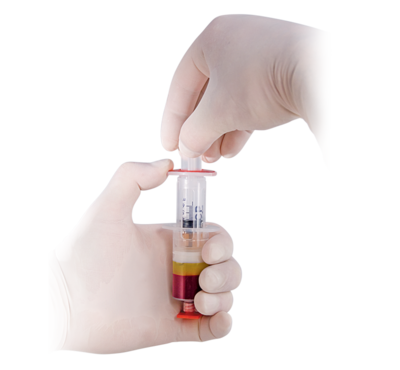 Platelet-rich plasma (otherwise known as PRP) continues to be investigated as a treatment option for various types of hair loss. It makes intuitive sense that growth factors found in PRP would be beneficial for hair growth but