A recent article published in the Journal of the American Academy of Dermatology outlined some of the world experts consensus opinions of therapeutic options for alopecia areata. Topical and intralesional corticosteroids were the most common treatments used for this problem, although other topicals such as calcineurin inhibitors, prostaglandin analogues like Latisse, minoxidil, and DPC were acknowledged to be useful in some situations.
With respect to systemic therapy, oral corticosteroids can sometimes be used although steroid-sparing agents would probably be preferred for chronic alopecia areata. If used, oral steroids generally require a taper over more than 12 weeks. Some of the steroid sparing agents mentioned include cyclosporine and methotrexate, as well as JAK inhibitors.
Reference for alopecia areata consensus:
The Alopecia Areata Consensus of Experts (ACE) Study PART II: Results of an International Expert Opinion on Diagnosis and Laboratory Evaluation for Alopecia Areata. Meah N, Wall D, York K, Bhoyrul B, Bokhari L, Sigall DA, Bergfeld WF, Betz RC, Blume-Peytavi U, Callender V, Chitreddy V, Combalia A, Cotsarelis G, Craiglow B, Donovan J, Eisman S, Farrant P, Green J, Grimalt R, Harries M, Hordinsky M, Irvine AD, Itami S, Jolliffe V, King B, Lee WS, McMichael A, Messenger A, Mirmirani P, Olsen E, Orlow SJ, Piraccini BM, Rakowska A, Reygagne P, Roberts JL, Rudnicka L, Shapiro J, Sharma P, Tosti A, Vogt A, Wade M, Yip L, Zlotogorski A, Sinclair RD. J Am Acad Dermatol. 2020 Sep 11:S0190-9622(20)32614-1.
The main problem with platelet rich plasma (PRP) studies is that there are so many different ways of preparing PRP that it is difficult to assess the effectiveness of PRP as a whole. One practitioner may prepare the PRP differently from another or the method of injecting may be different from one another.
Despite this, this study is important because it provides further real evidence that PRP for androgenic alopecia in women is helpful. This study was performed by the Mayo Clinic and was published in Dermatologic Surgery 2020.
This was a randomized, controlled pilot study and patients were treated with either PRP followed by minoxidil after an 8 week washout period, or with minoxidil followed by PRP. The hair was analyzed using a TrichoScan device and looked at hair count, vellus hair density, terminal hair density, and cumulative thickness. The patients were also asked how they felt about the benefit or lack of benefit from treatment with minoxidil and PRP.
The study showed there was a definite improvement from PRP, although the study also suggests that minoxidil may have been slightly more effective in these patients. Interestingly, the patient’s subjective opinions about PRP vs. minoxidil was that PRP was more effective than minoxidil. Lastly, the authors noted there may be a combination effect from the two treatments.
Further studies are needed but this provides more objective evidence that PRP is effective for female pattern hair loss.
Reference:
A Randomized, Controlled Pilot Trial Comparing Platelet–RichPlasma to Topical Minoxidil Foam for Treatment of Androgenic Alopecia in Women. Bruce AJ, Pincelli TP, Heckman MG, Desmond CM, Arthurs JR, Diehl NN, Douglass EJ, Bruce CJ, Shapiro SA. Dermatol Surg. 2020 Jun;46(6):826-832
In a recent post, we discussed the use of topical finasteride (Propecia) and went through the benefits and limitations of this agent. A recent study published by Haber et al. in the Hair Transplant Forum International looked at 762 men (663 on oral finasteride and 99 not on oral finasteride) and assessed whether or not they experienced any sexual dysfunction. The short answer seems to be that there was no evidence of increased sexual dysfunction in this study, which supports a previous systematic review of the literature that also did not show any evidence of increased sexual dysfunction from the use of oral finasteride.
Based on these studies, it seems that we can be even more confident about the lack of sexual side effects from the use of oral Propecia in male pattern hair loss. We will therefore continue to prescribe Propecia in the management of male pattern hair loss.
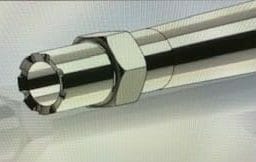
There are many different types of punch designs and some of them offer advantages over previous designs. At the most recent International Society of Hair Restoration Surgery 2020 conference, Dr. Nakatsui came across several new advances that he is eager to implement. One new advance is a new punch design that incorporates a hexagonal blunt portion of the punch shaft that uses vibration to help release the follicular unit from the surrounding tissue. As well, it has tiny grooves cut into the distal shaft. These changes, while they may appear subtle, should allow us to produce better grafts with even lower transection rates. Our dermatologist, Dr. Nakatsui, is really looking forward to incorporating this new advance into our FUE hair transplant procedures!
Dr. Nakatsui also came across several other hair transplantation advances that are very intriguing and will add these to our hair transplant blog in the near future.
The first study on topical finasteride was done in 1997 and showed a decrease in rate of hair loss at 6 months.
In 2009, another study compared topical finasteride to oral finasteride. This study was a double blind, randomized clinical trial. Both topical and oral led to increased hair counts, although the increase occurred 1 month earlier with oral finasteride. Another difference between the two groups was that the size of the area of hair loss decreased by the fourth month of treatment in the oral finasteride group, whereas there was no significant change in the topical group.
In 2018, Lee et al. reviewed 7 studies that looked at the use of topical finasteride for the treatment of pattern hair loss in men and women. They looked at several concentrations, including finasteride 0.005%, 0.25%, and 1%. The good news is that they all showed some efficacy with limited systemic effects. Overall, topical 0.25% finasteride solution applied once a day seemed to be the most effective. The downside is that topical finasteride did cause some scalp irritation in some participants, which could be a limiting factor for some patients. It is not clear if the irritation came from the finasteride itself or from one of the other components in the solution.
In a study by Ramos et al in 2019, oral minoxidil was investigated as an alternative therapy for female pattern hair loss. In the study, which was a 24 week, randomized, open study design, they compared 1 mg oral minoxidil to 5% topical minoxidil used for 24 weeks. The authors found that the increase in density with both treatments was very similar and there was no statistically significant difference.
Oral minoxidil was well tolerated and had very few side effects. Some of the reported adverse events included mild hypertrichosis in 27% of participants and increased mean resting heart rate.
Oral minoxidil at a dose of 1 mg daily may be an option, particularly in women who cannot tolerate topical minoxidil. However, this medication should probably be avoided in patients with pre-existing cardiac disease for the moment until it has been further evaluated.
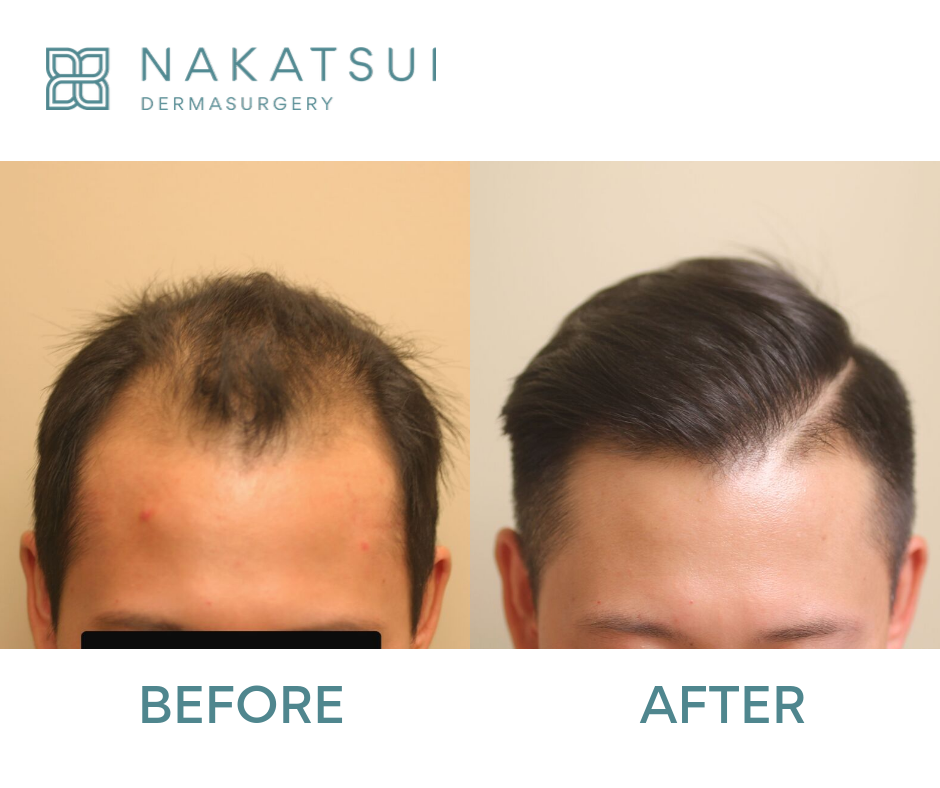
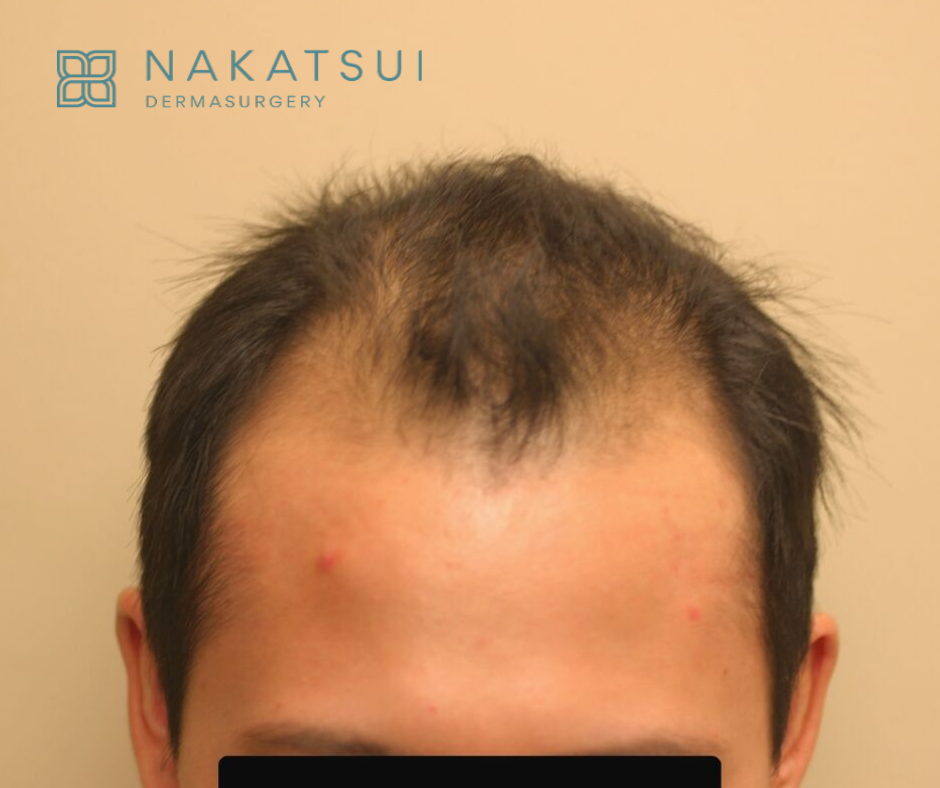
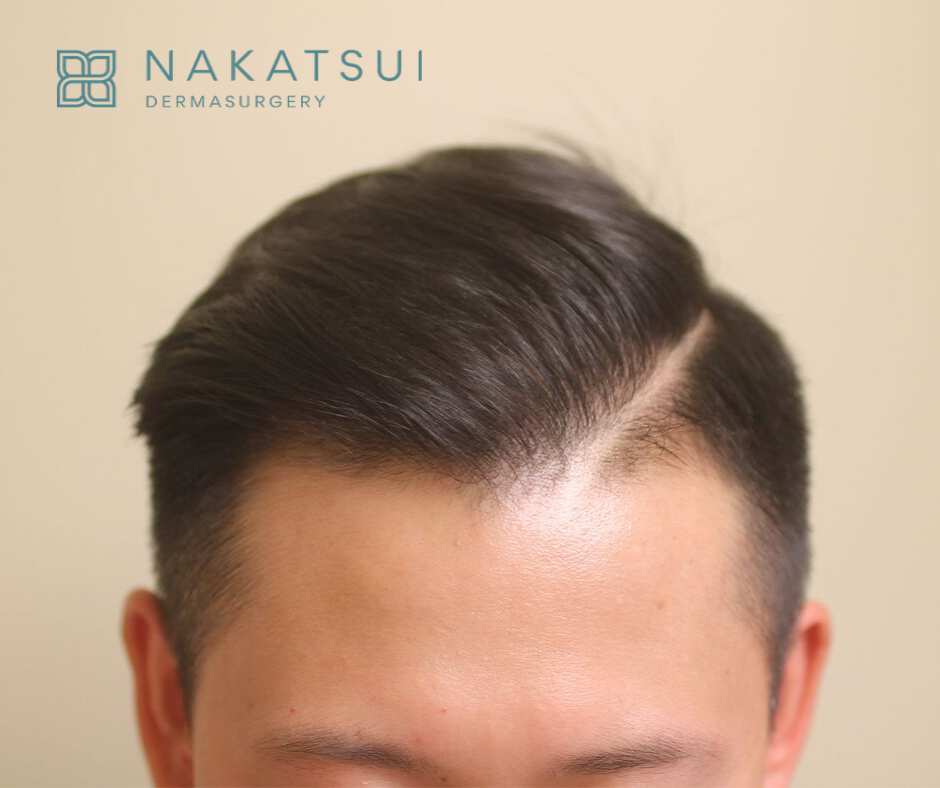
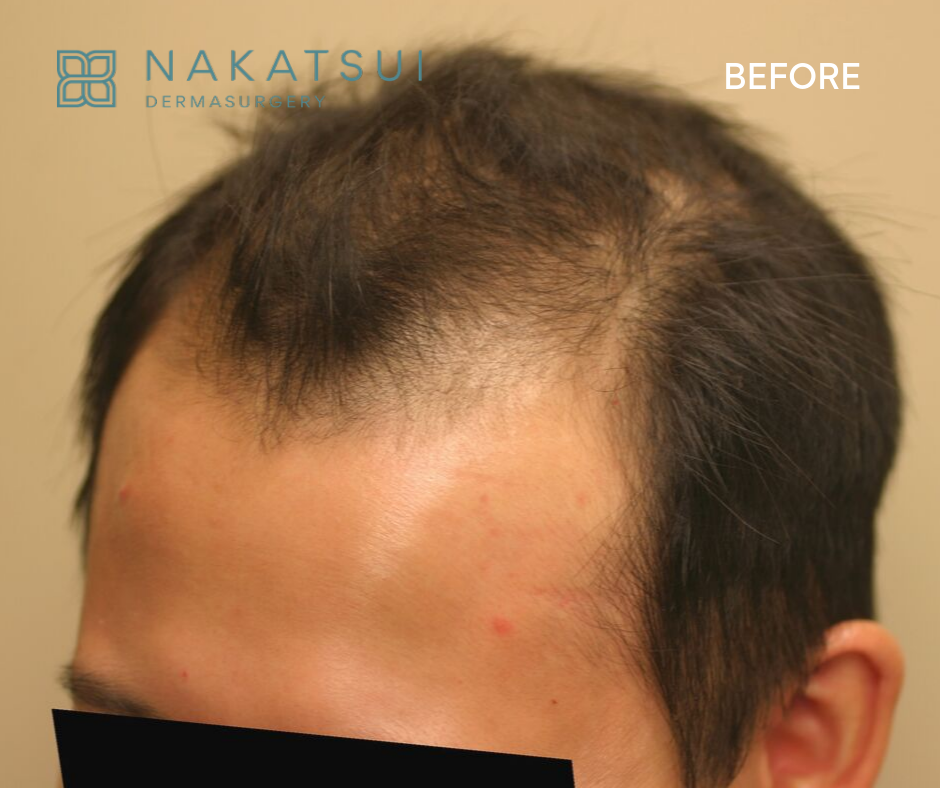
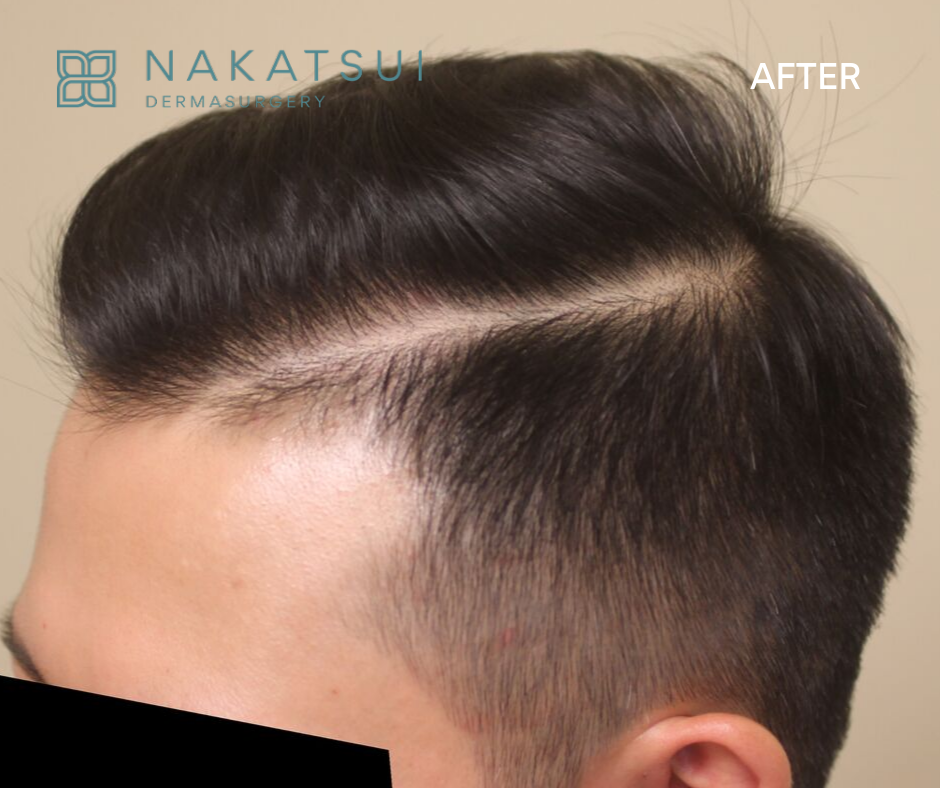
This is an Asian man who was concerned about the progressive thinning of his frontal scalp. He had definite miniaturization of the hair in the frontal scalp, especially in the temples. In the after photos, you can see we lowered the hairline in (more…)
In this video, Dr. Nakatsui discusses a few of the instruments for Follicular Unit Excision (FUE) that he uses during hair transplant surgeries. Technology is always evolving and it is always important to stay at the forefront of technique and technology in order to provide the best possible experience and results for our patients. Please visit our Youtube channel for more informative videos!
Areas Treated: Hairline and temples and mid region.
Number of procedures: 1
Type of surgery: Strip (FUT)
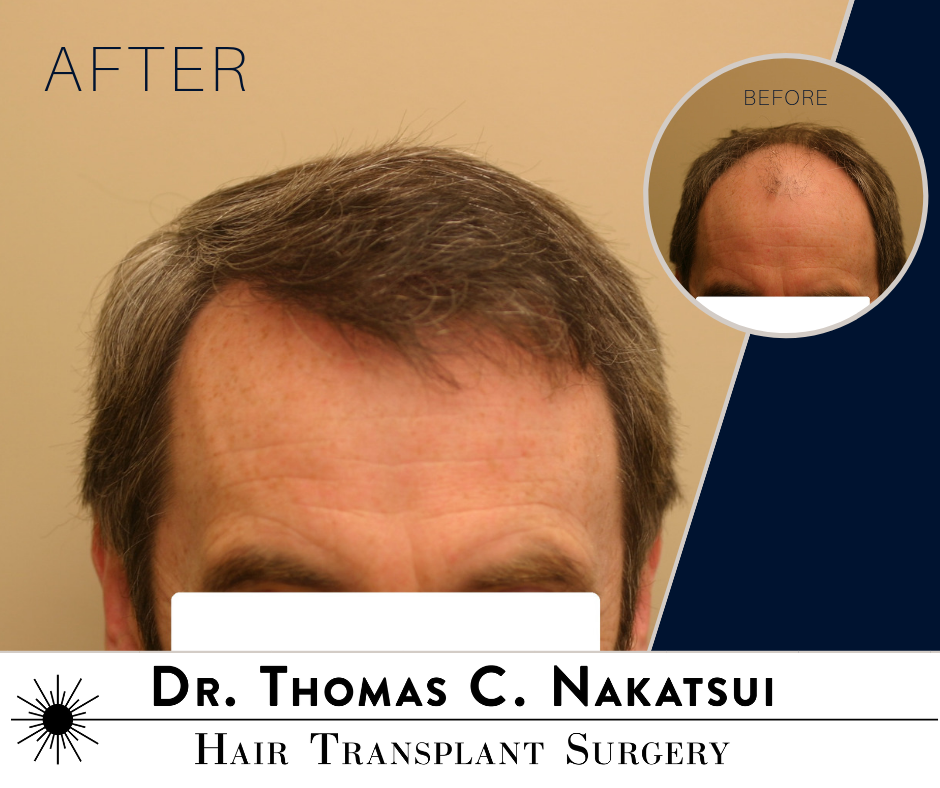
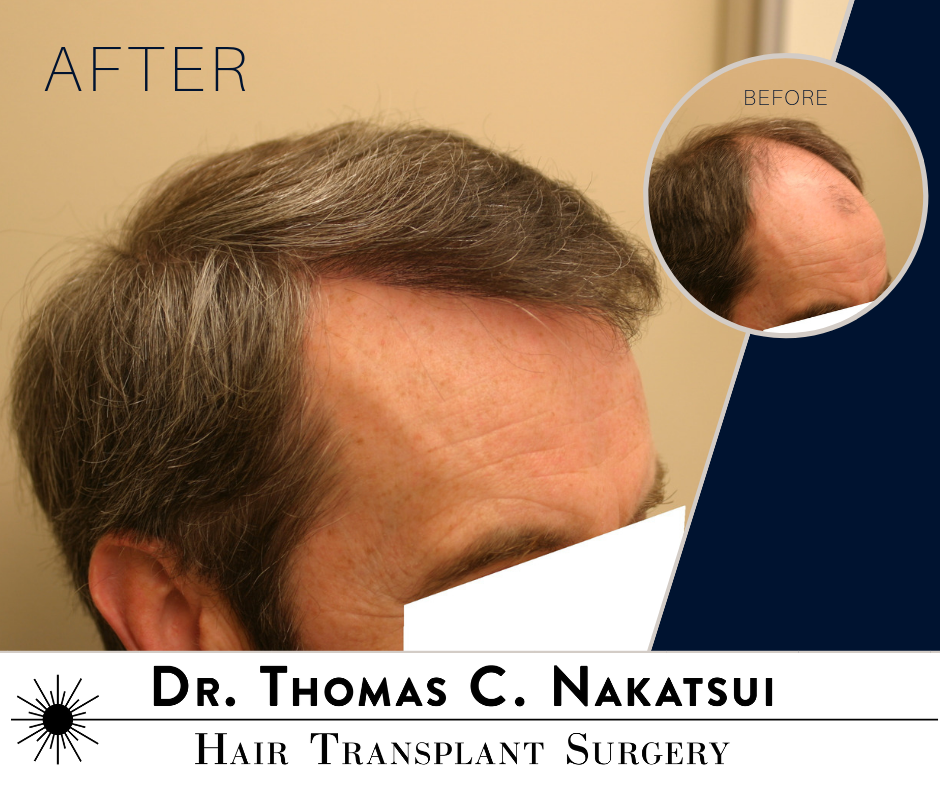
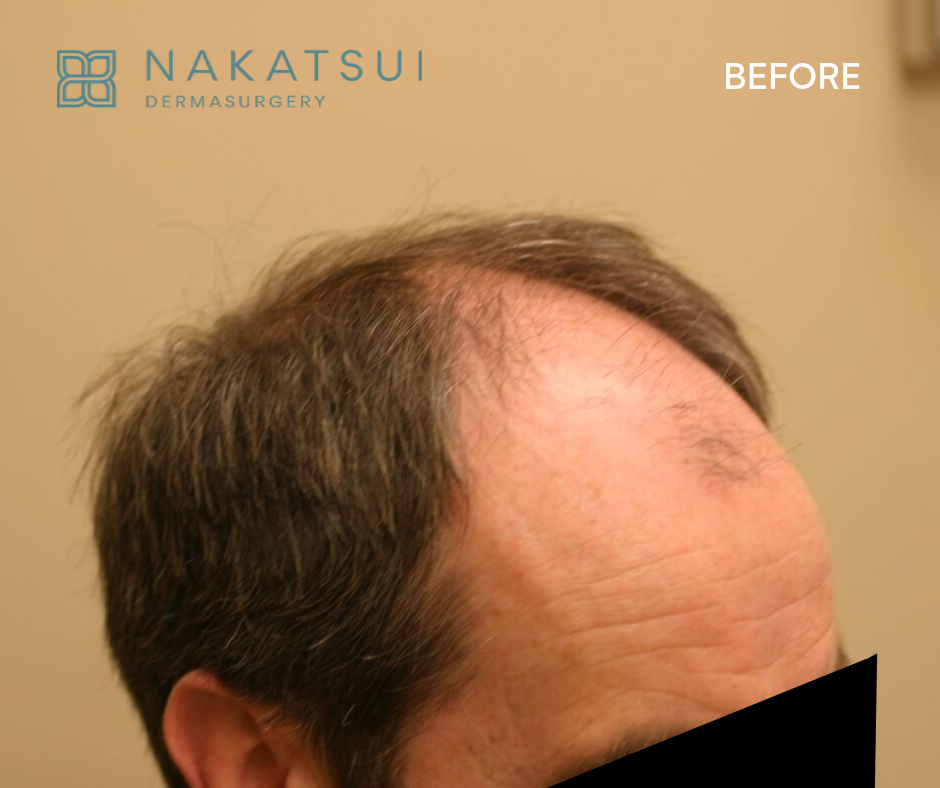
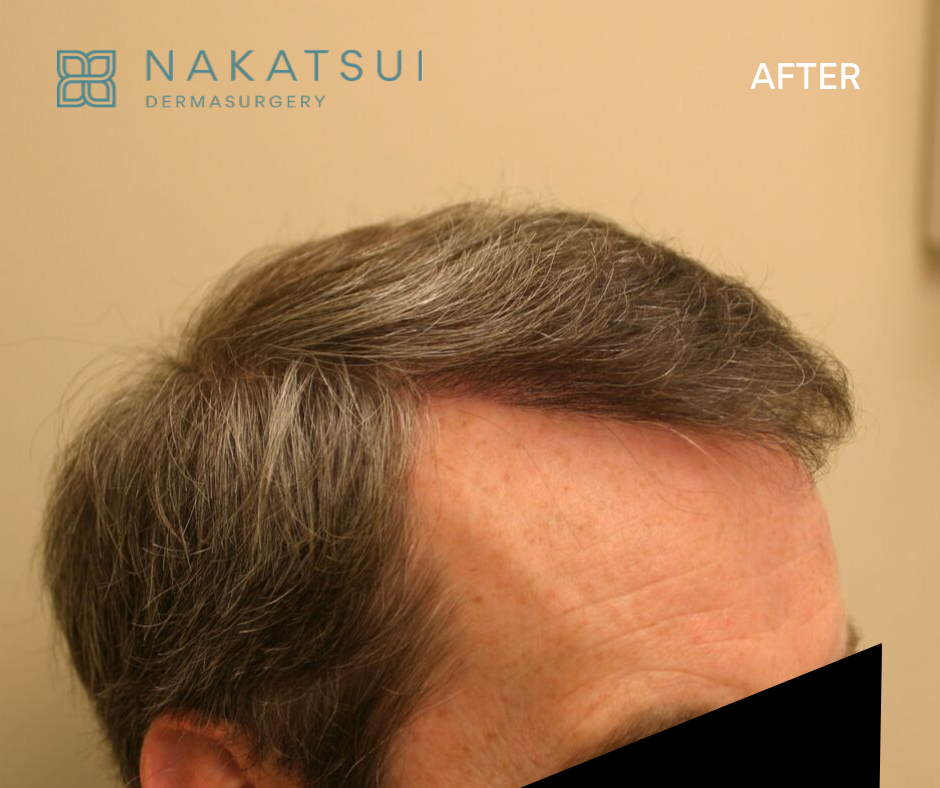
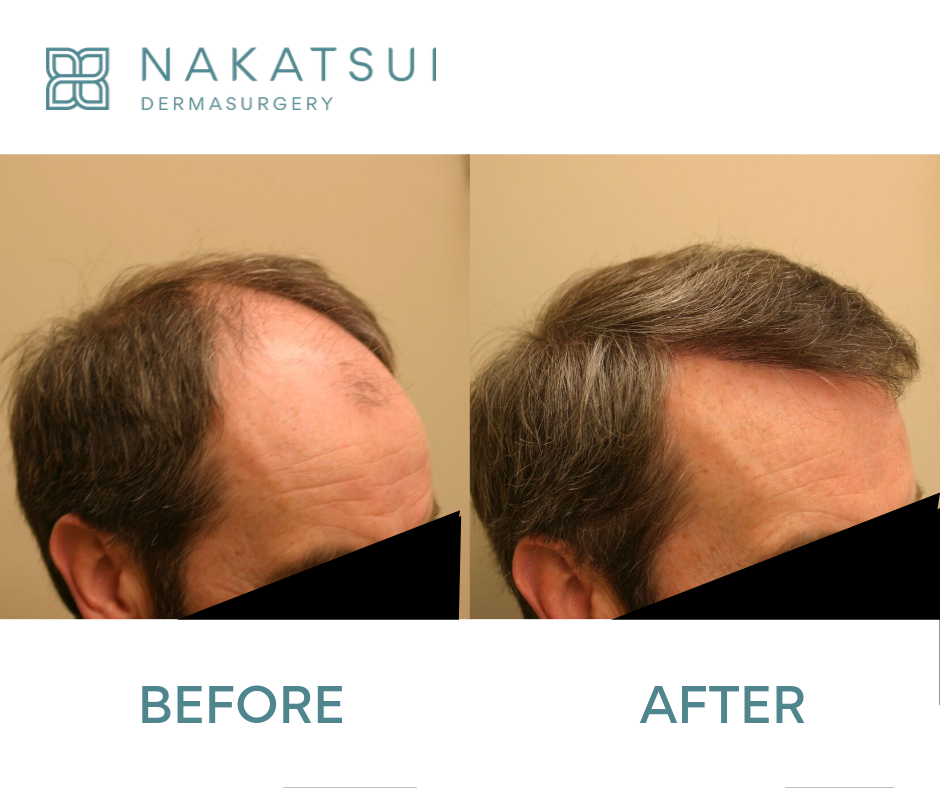
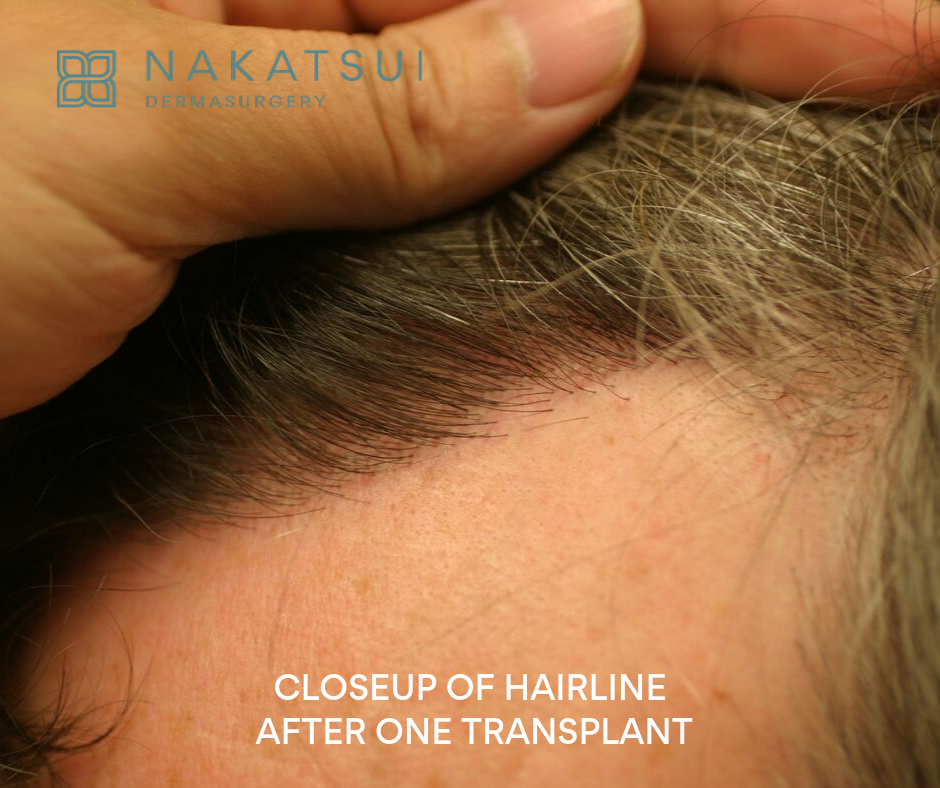
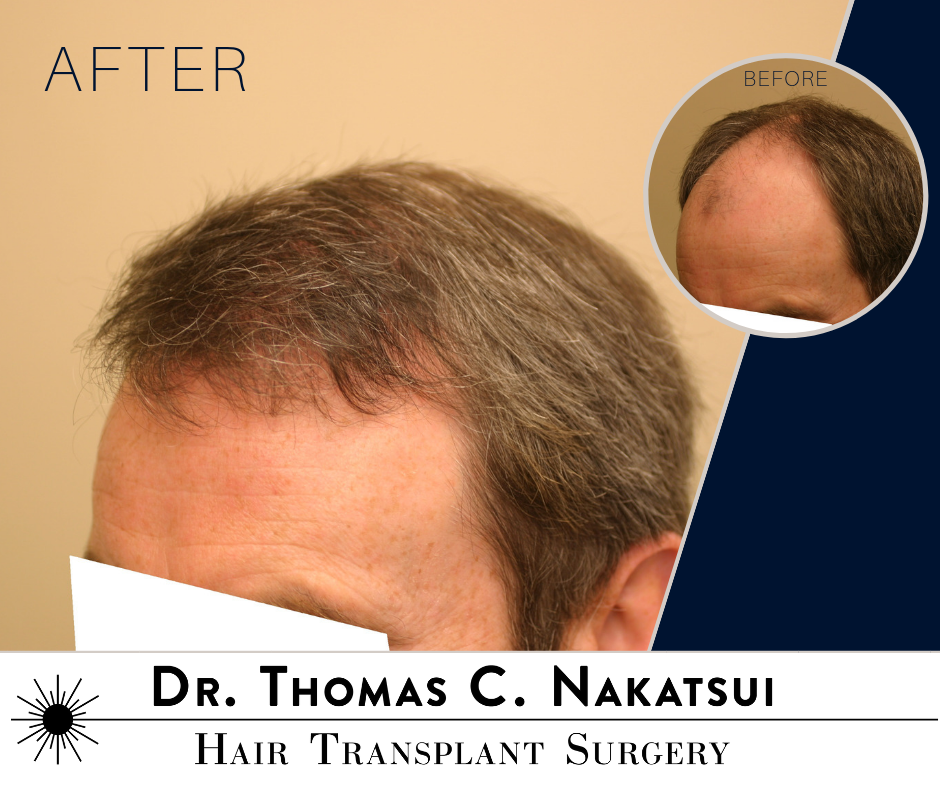
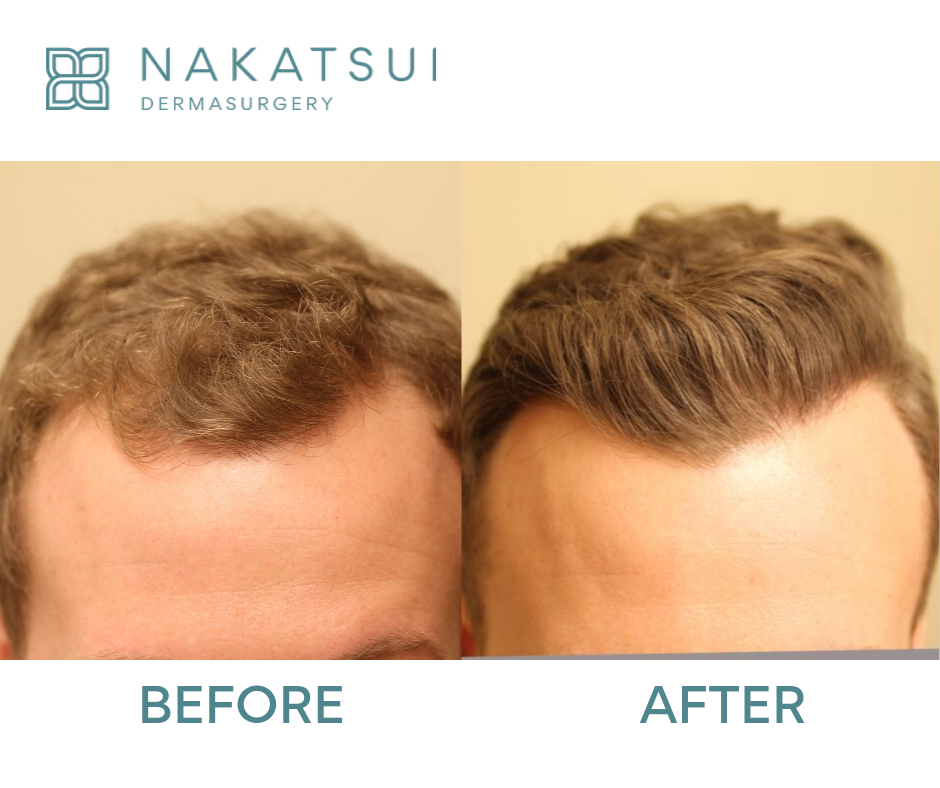
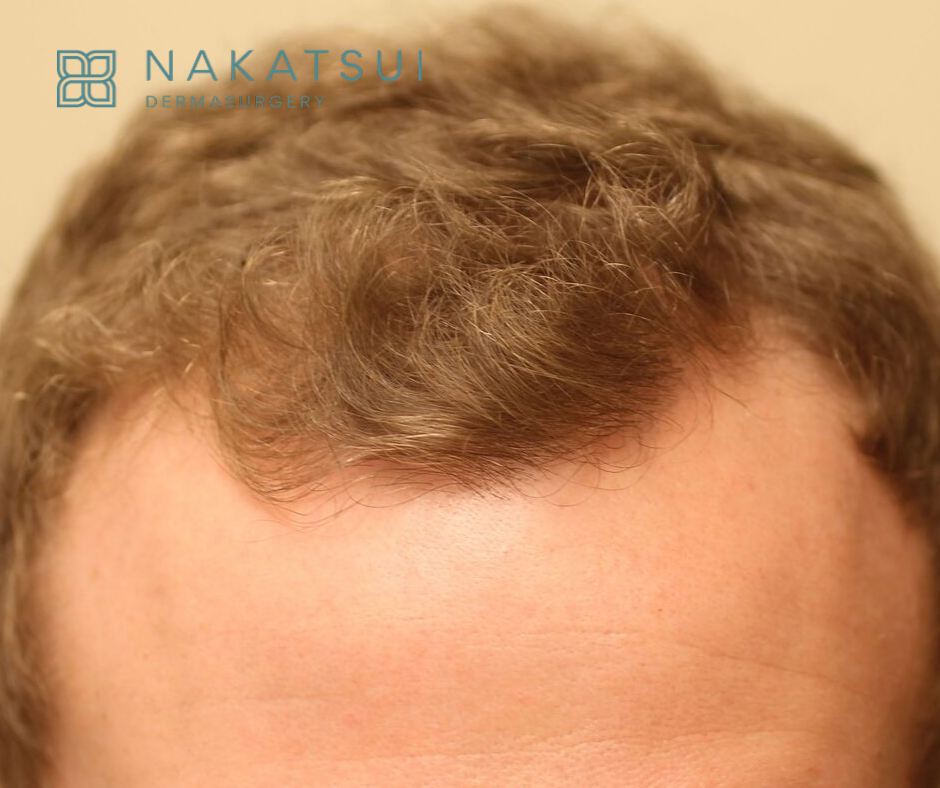
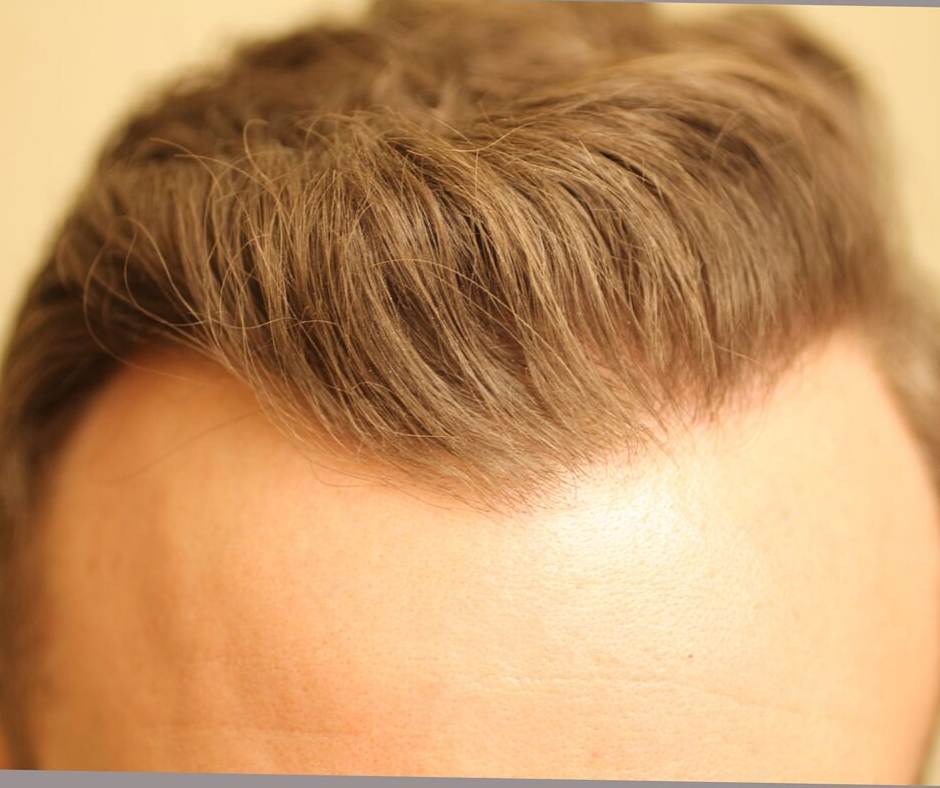
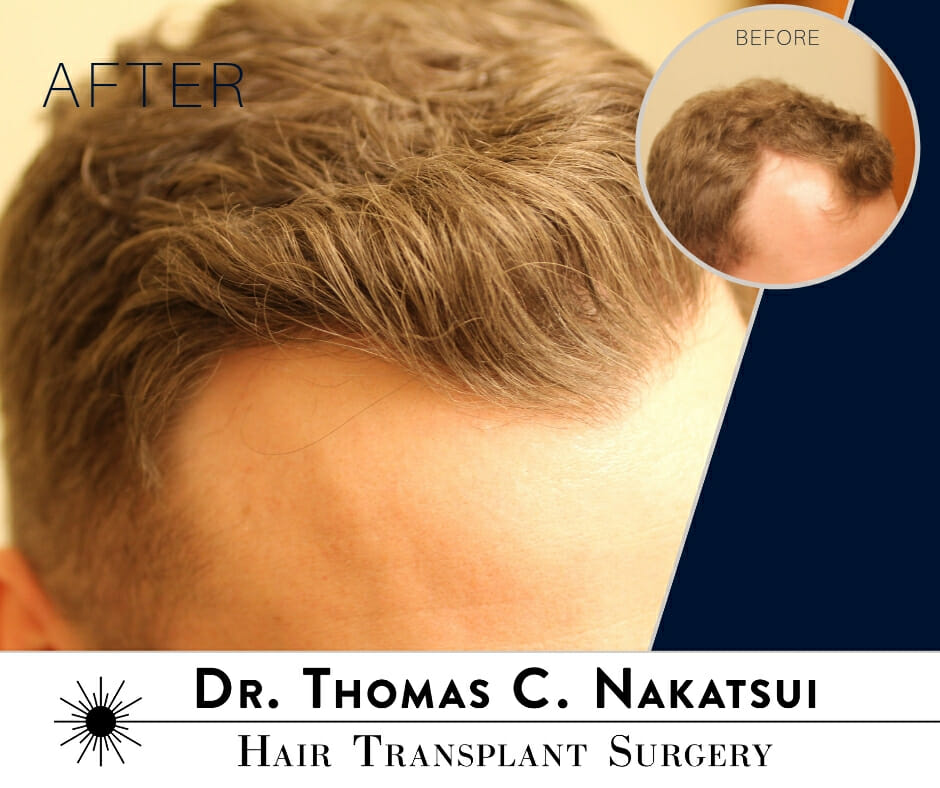
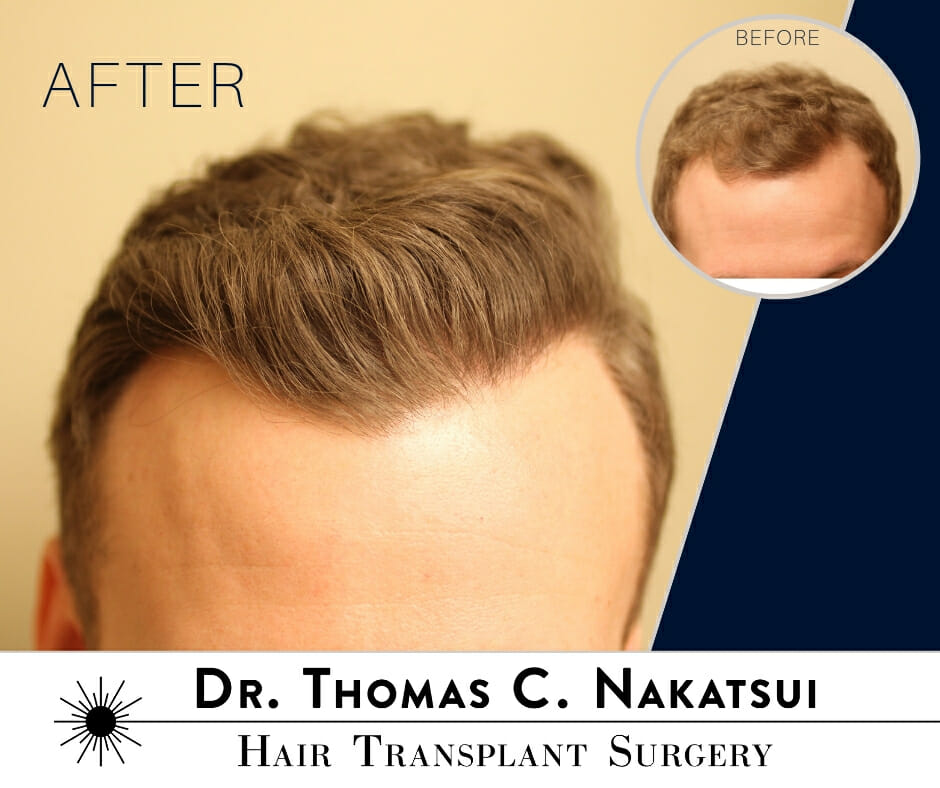
This gentleman came to our centre with recession to his hairline that extended back to his mid scalp. Dr. Nakatsui transplanted approximately 3,000 grafts for the final result. Close examination of the hairline demonstrates the absolute importance to angle and the use of follicular units (the very basic units of hair) when performing a hair transplant. The wonderful thing about hair transplant surgeries is that, once the transplant is complete, the hairs are generally permanent. They will act the same way as the hair from the back of your scalp; meaning they will grow at the same length and change colour at the same time generally. The best part about hair transplant surgery is that, it is your hair. To view more of Dr. Nakatsui’s before and after photos, please click here.
Number of Grafts: 2,200 Areas treated: Vertex and temples Number of procedures: 2 Type of surgery: Follicular Unit Excision (FUE)
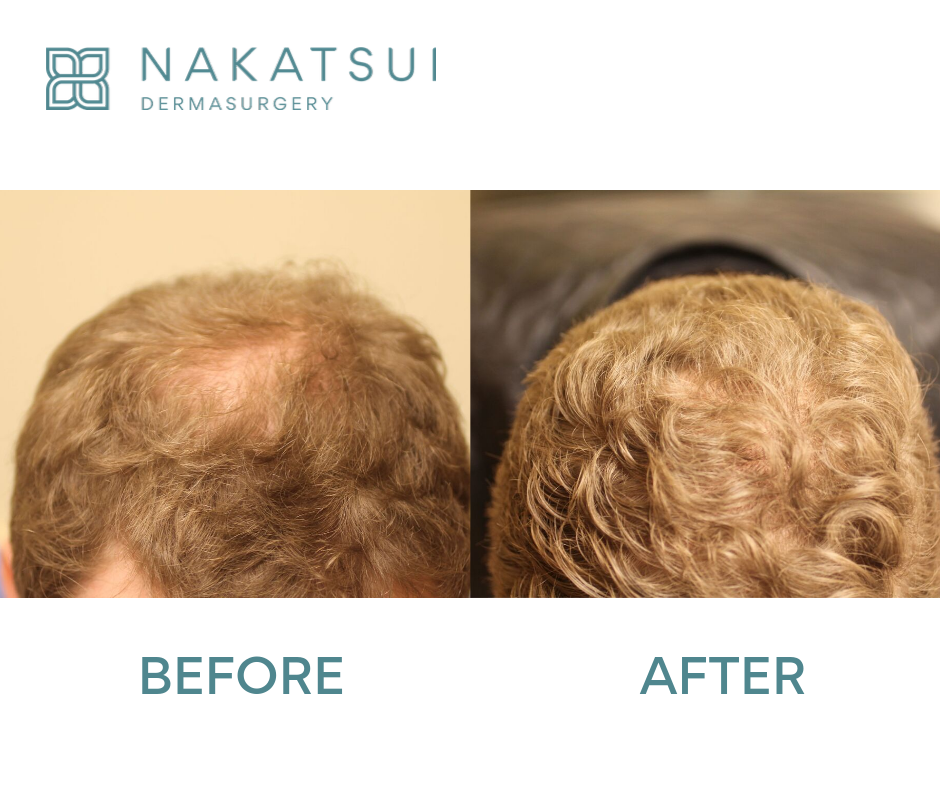
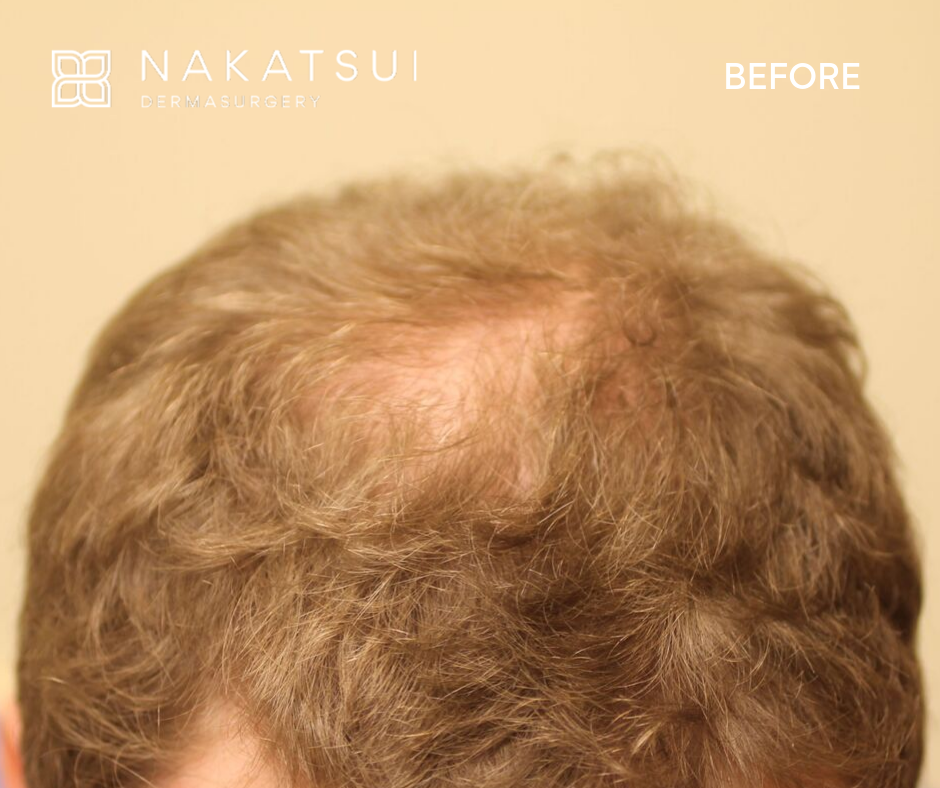
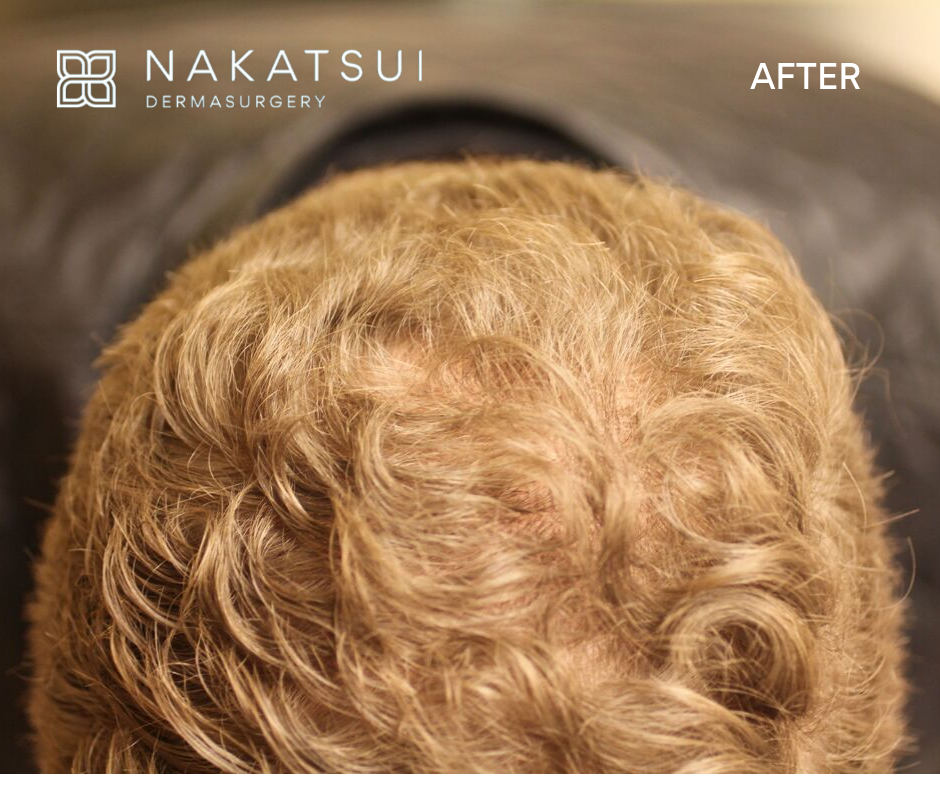
This young man came to our clinic complaining of thinning to his vertex (crown) and his temples. After going through the options, he opted to have follicular unit excision surgery (FUE) because he did not want any noticeable scars on his scalp. Using the FUE method, Dr. Nakatsui transplanted 2,200 grafts into the vertex and temples.
At our centre, when a FUE surgery is performed, Dr. Nakatsui makes every tiny incision around every follicular unit graft. At many other clinics, technicians or sometimes robots perform this aspect of the procedure. Dr. Nakatsui prefers to perform this aspect of the procedure himself as the donor hair can change angle below the surface of the skin. If care is not taken and change in angle is not accounted for, the risk of transecting (cutting through) a graft increases, thereby rendering the graft unusable. Learn more about follicular unit excision (FUE) here. For more of Dr. Nakatsui’s results, please click here.